
Every year, International Nurses’ Day gives us the opportunity to recognise and celebrate the dedication, skill and compassion of nurses across the NHS. At NEAS, our nurses play a vital role in delivering safe, effective and person-centred care.
Across emergency calls, clinical assessment services, urgent care and leadership, NEAS nurses bring a unique combination of clinical expertise, calm reassurance and human connection. Whether supporting patients over the phone at their most vulnerable, providing critical advice in urgent situations, or shaping the future of care through leadership and innovation, their impact is felt every single day.
On this page, we are proud to highlight the diverse nursing roles across our service and share the stories of the individuals behind them - showcasing the difference they make to patients, families and colleagues across the North East.
 Julia Young
Director of quality and safety.
From her roots in Gateshead to a career spanning the region in a number of roles including clinical care, cancer services and senior leadership over nearly 40 years, Julia has dedicated her career to improving patient care and supporting staff.
Julia said: “At the heart of everything I do is a passion for improving patient care, supporting staff, and reducing harm. I believe that when we look after each other, we deliver the best care possible.
“Thank you to every nurse across NEAS for the compassion and commitment you show every day.”
Barisuka Johnson
Senior Clinical Advisor 111 and IUC CAS Nurse

In her role, Barisuka speaks with patients and families who are often frightened, unsure, or under intense pressure. By listening carefully, asking the right questions, assessing risk, and guiding callers to the safest next step, she helps bring clarity and reassurance when it’s needed most. One memorable moment for her involved supporting a mother following a safeguarding incident involving her child. She said: “I didn’t just offer clinical advice, but compassion, reassurance, and advocacy during an incredibly distressing time.” Barisuka was later recognised for excellent practice, highlighting how powerful nursing care can be when clinical expertise and human connection come together.
Barisuka believes the most important qualities in pre‑hospital and emergency nursing are strong clinical judgement, clear communication, adaptability, and the ability to stay calm under pressure. Above all, compassion matters. She added: “While patients may not remember every detail, they always remember how they were made to feel.”
Josie Hale
Advanced Practitioner Urgent Care (Nurse)
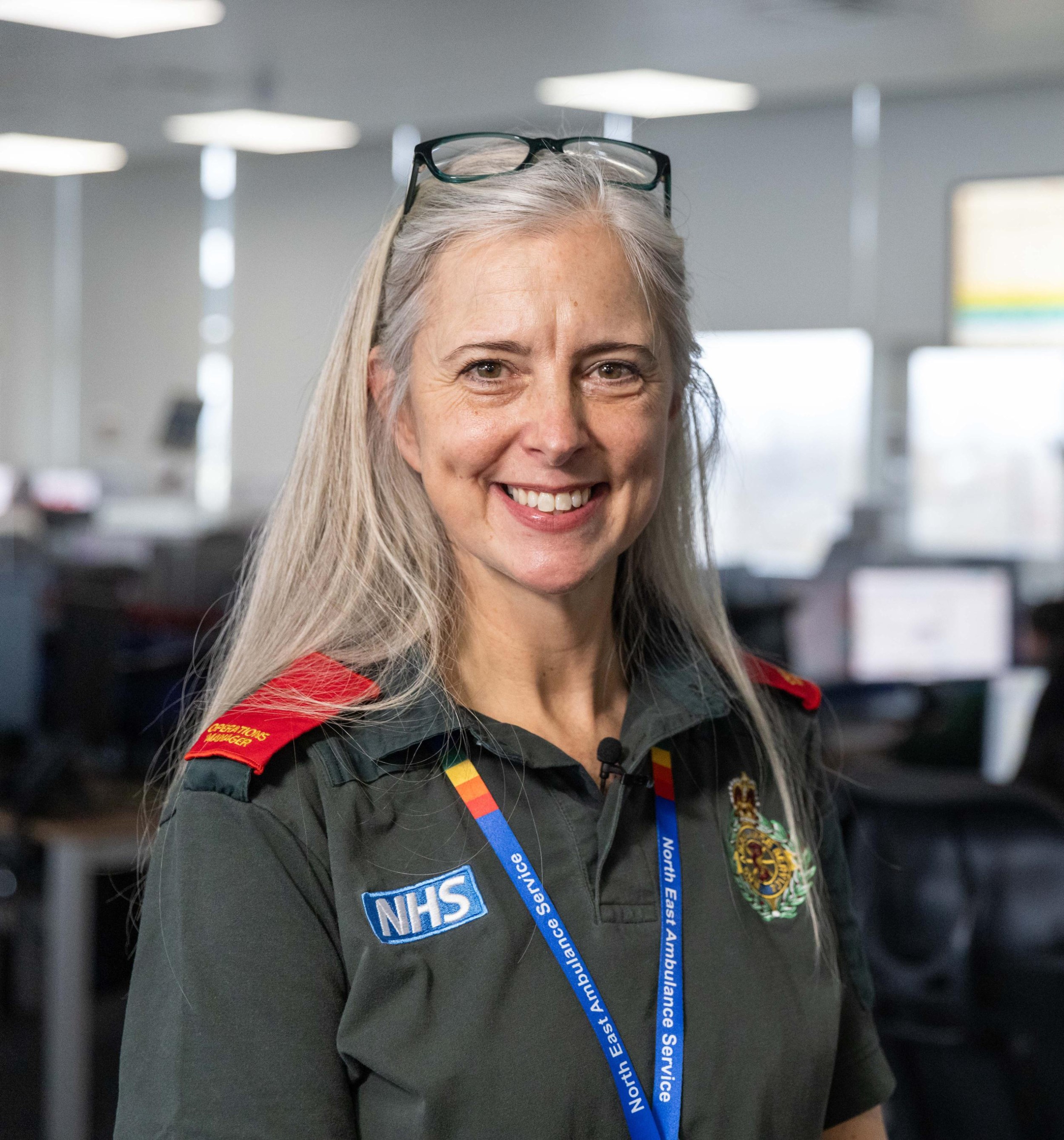
Josie helps make a difference for patients when it matters most.
“Nurses at NEAS make a difference every single day, often when people are at their most vulnerable. I support the urgent care team by using advanced clinical skills to help make safe, timely decisions – whether that’s talking through a complex case, strengthening clinical standards, or shaping how we deliver care.”
Ambulance nursing demands quick thinking in high‑pressure situations. For Josie, compassion and professionalism go hand in hand:
“Compassion isn’t just about how we care for patients – it’s also about how we support each other. Being approachable, listening, and making clear, sensible decisions helps teams do their best work.”
Reflecting on what makes pre‑hospital nursing so special, Josie highlights adaptability, resilience, teamwork, and above all, compassion:
“It’s a challenging role, but an incredibly rewarding one – and something to be really proud of.”
Lauren Barnes
Advanced nurse practitioner
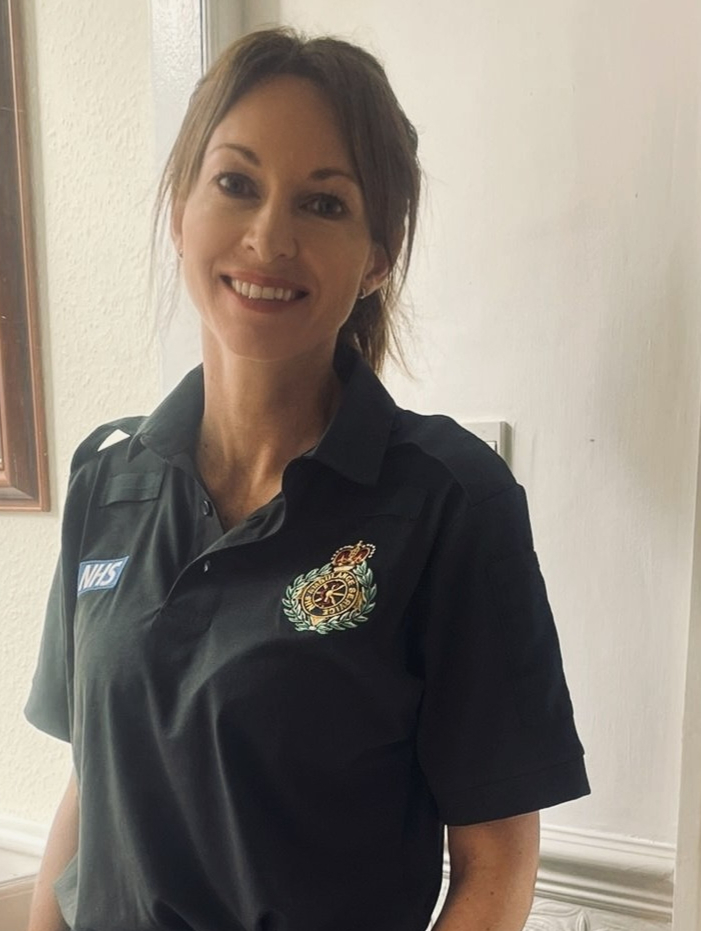
In her role, Lauren provides urgent care to patients who are considered housebound or have emergency health care plans in place advocating not for hospital admission. She said: “It allows urgent care to be provided in the home - patients are made safe and comfortable with the resources I have available and as an advanced prescriber.
“My role caters for acute and chronic disease management and end of life care, requiring a pragmatic approach and respecting patient and families wishes. In addition to applying the practice - listening and empathy are the most important compassionate skills I would say can be offered in the critical moments.”
Felicia Asikogu
Senior clinical advisor
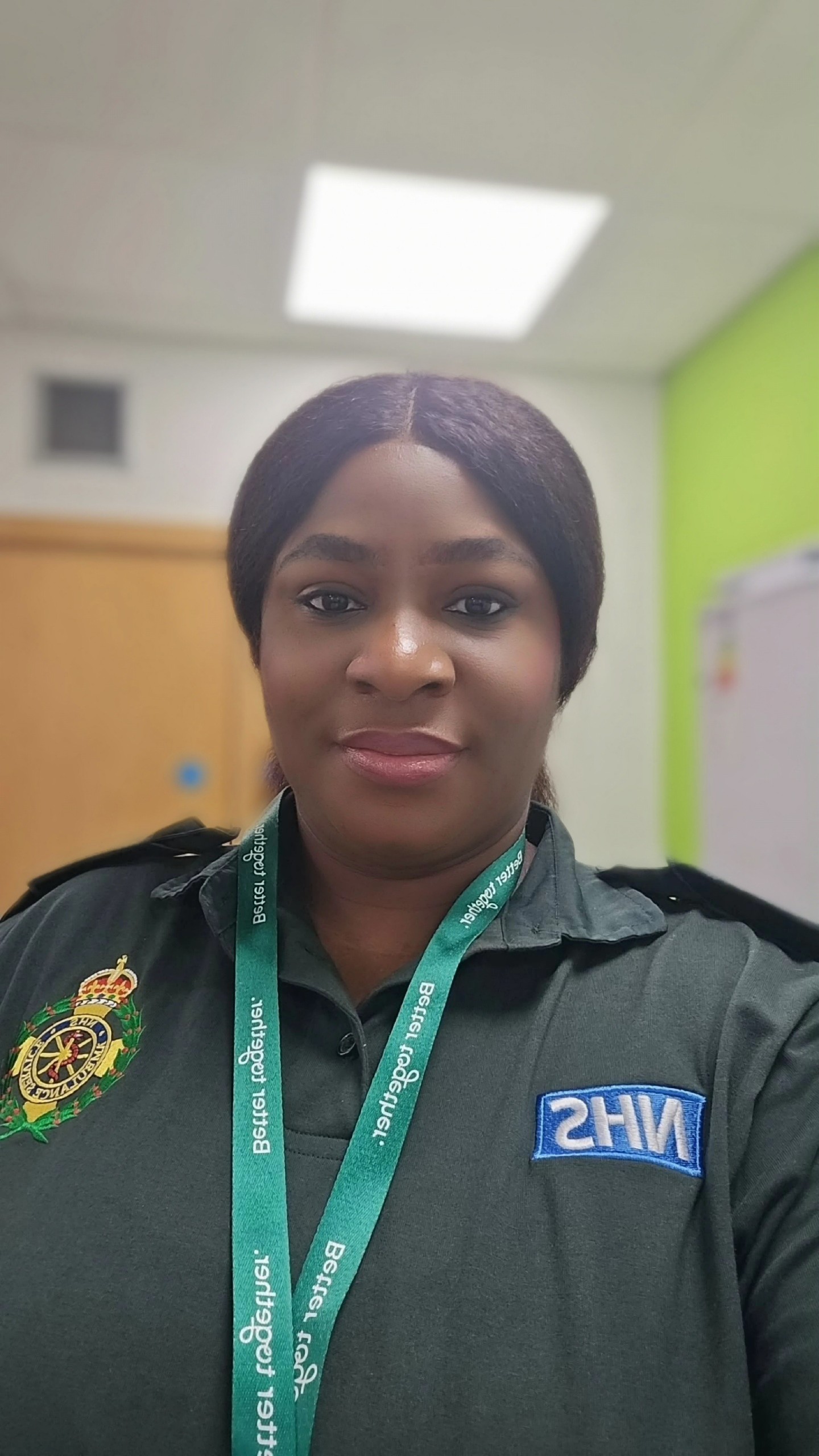
As a senior clinical advisor within our clinical assessment service, Felicia makes a difference for patients at some of their most critical moments. Through advanced clinical assessment, autonomous decision‑making, and calm leadership under pressure, she helps ensure the right care reaches the right patient at the right time.
Her role directly improves outcomes and keeps patients safer – often before an ambulance even arrives. Felicia said: “I make a measurable difference by combining advanced clinical assessment, critical thinking, and leadership to support patients at their most vulnerable moments – changing outcomes when it matters most.”
Tracy Gilchrist
Deputy director of quality and safety
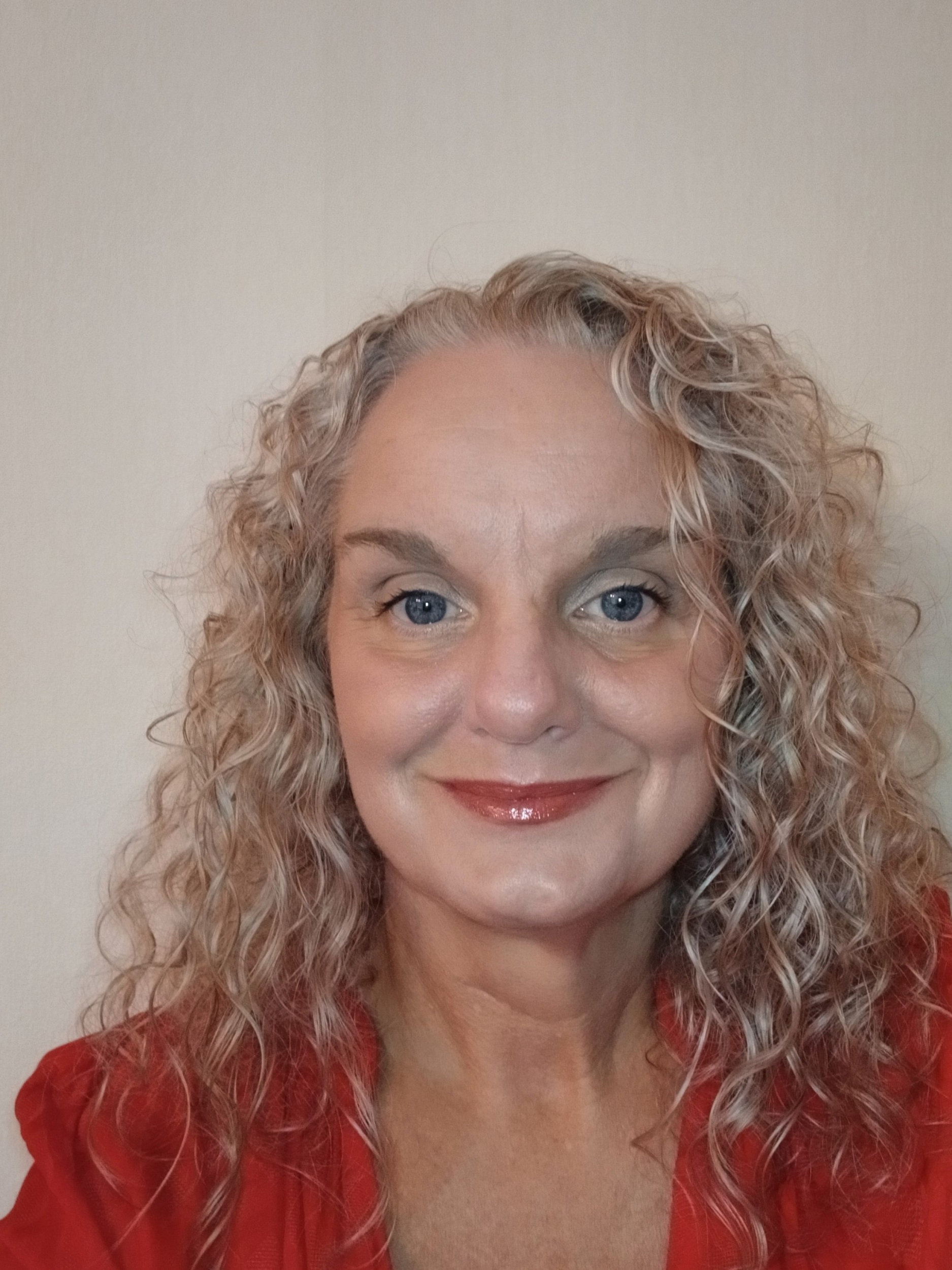
Tracy shares how her role helps shape safe, compassionate care when it matters most: “My role allows me to make a difference to every patient who comes into contact with our service by ensuring the care they receive is safe, compassionate and reliable.”
“Although I’m not delivering direct care, everything I do is focused on those critical moments – shaping standards, strengthening safety systems and learning openly when care falls short. When these foundations are strong, patients experience calm, respectful and professional care, even in the most pressured situations.”
For Tracy, being a nurse brings to emergency care means having excellent clinical judgement, adaptability and emotional intelligence are essential. She added: “Nurses must assess risk quickly while communicating with empathy to people who may be frightened or distressed. Strong teamwork is vital – and so is courage: the courage to speak up, challenge unsafe practice and ask for support when needed.”
Demi Maughan
Senior clinical advisor

|
As one of the first points of clinical contact, Demi supports patients during some of their most vulnerable and critical moments. Using a wealth of nursing experience, Demi assesses a wide range of situations, triaging calls and identifying the most appropriate care pathways. This not only ensures patients receive the right support, but also helps keep ambulance crews available for life-threatening emergencies. Through calmness under pressure, strong communication and empathy, Demi makes a difference every day - listening carefully, gathering vital information quickly, and ensuring every patient feels heard, reassured and supported. She said: “In pre-hospital care, every decision matters. It takes skill, adaptability and compassion to build a clear picture with limited information - ensuring patients receive the right care, in the right place, at the right time.” |
Chanice Holland
Learning Response Lead

Chanice plays a vital role in strengthening the systems that support safe, compassionate care when patients are at their most vulnerable. While not always at the bedside, Chanice helps ensure we learn from patient safety events in a meaningful, timely way – focused on improvement, not blame.
By supporting teams, encouraging open conversations, and embedding learning into practice, every improvement made helps deliver better care in those high-pressure, time‑critical moments.
Chanice said: “Compassion and professionalism mean keeping people at the heart of everything: listening to colleagues, creating space to reflect, and balancing urgency with empathy and clarity - even in complex situations.
“From calm decision-making and strong communication to teamwork and a commitment to learning, these are the qualities that help nurses thrive in pre-hospital and emergency care - and create a culture where improvement and compassion go hand in hand.”
Libby Bell
Clinical section manager

Libby helps lead a team of senior clinical advisors supporting patients accessing 111 and 999 services. While not always face to face, Libby’s role is critical in ensuring patients receive safe, timely, and high‑quality clinical advice from the very first point of contact.
Libby said: “In the control room, decisions can be pivotal. Accurate assessment, effective risk management and timely escalation can make all the difference - especially when every second counts. By supporting my team, I help ensure patients get the right care, in the right place, at the right time.”
Libby also supports colleagues as a professional nurse advocate, providing wellbeing conversations and restorative supervision to help build a resilient, confident workforce - because supporting staff ultimately supports safer patient care.
From clinical expertise and quick thinking to compassion, communication and teamwork, these are the qualities that define nursing in emergency and pre-hospital care.
Kafui Kesewah Aboagye
Senior clinical advisor
Kafui Kesewah Aboagye is a senior clinical advisor, is often one of the very first clinical contacts for patients calling 111 or 999. Even without seeing patients face to face, Kafui plays a crucial role in assessing needs, giving immediate advice, and ensuring the right help reaches people as quickly as possible.
On International Nurses’ Day, we asked her why a nursing role is so important at an ambulance service. She said: “In those critical moments, every decision counts. By assessing patients remotely and signposting appropriately, I help make sure care is safe, timely, and right for each individual.”
Working in a fast‑paced, high‑pressure environment, Kafui combines strong clinical judgement with calm, clear communication — listening carefully, picking up on key details, and reassuring patients when they need it most.
From adaptability and resilience to empathy and attention to detail, these are the qualities that make a real difference in emergency care.
Lyndsay Spall
Clinical navigator nurse
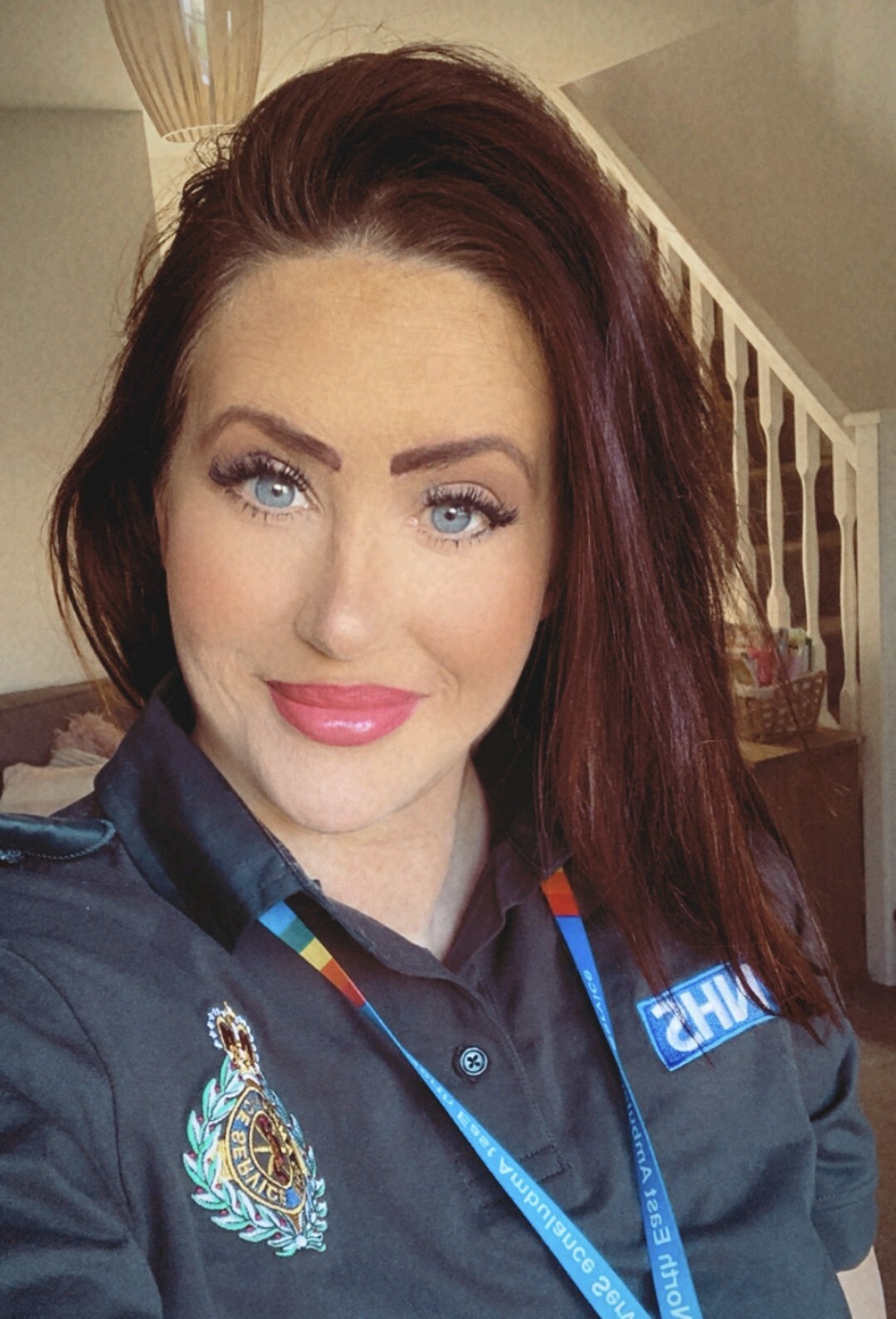
Lyndsay supports patients at the very start of their healthcare journey - often when they are at their most vulnerable. Whether delivering urgent care, recognising deterioration, reassuring loved ones, or advocating for those who can’t speak for themselves, every interaction is an opportunity to make a meaningful impact.
Lyndsay said: “Even when we can’t change the situation completely, we can reduce fear, preserve dignity, and help patients feel safe and supported.”
From strong clinical judgement and adaptability to resilience, empathy, and teamwork, these are the qualities that define nursing in emergency care - ensuring patients receive not just expert treatment, but kindness and reassurance when it matters most.
Karen Hertwick
End of life facilitator
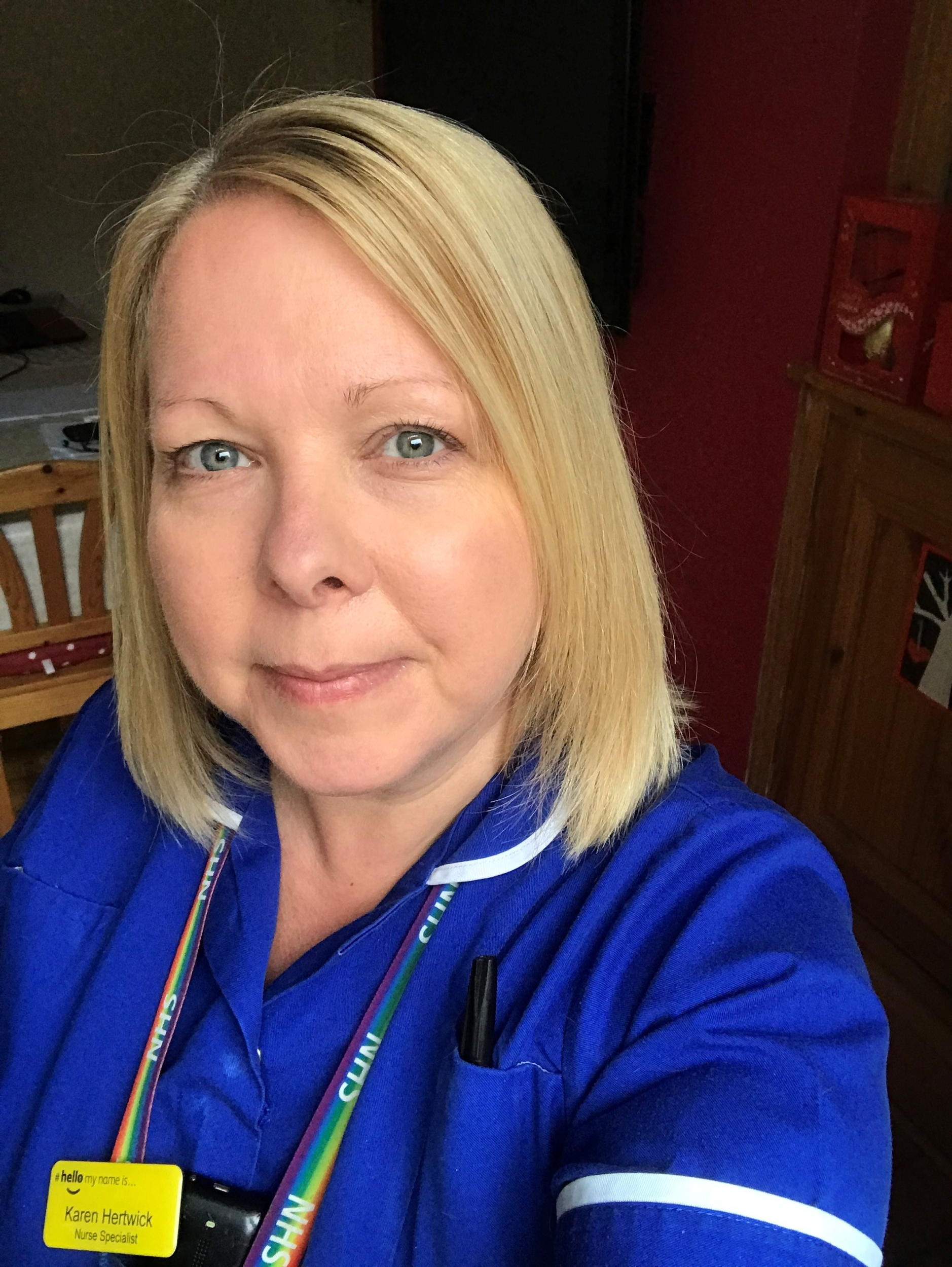
Karen plays a vital role in improving care for patients receiving palliative and end of life care. Through educating staff across the service, reviewing incidents and feedback, and supporting best practice, Karen helps ensure patients receive safe, high‑quality and compassionate care when it matters most.
A key part of this work includes supporting the End of Life transport service – helping patients reach their preferred place of care and death in a way that is timely, dignified and respectful.
While not always on the frontline, Karen’s work strengthens the knowledge, confidence and communication of clinical teams, ensuring they can provide the best possible care in the most sensitive moments.
Karen said: “The heart of nursing lies in advocacy, empathy and truly listening without judgement – especially when people are at their most vulnerable. These qualities, alongside compassionate communication and holistic care, are what make a lasting difference to patients and those closest to them.”
Clare Bannister
Head of the clinical assessment service (CAS)
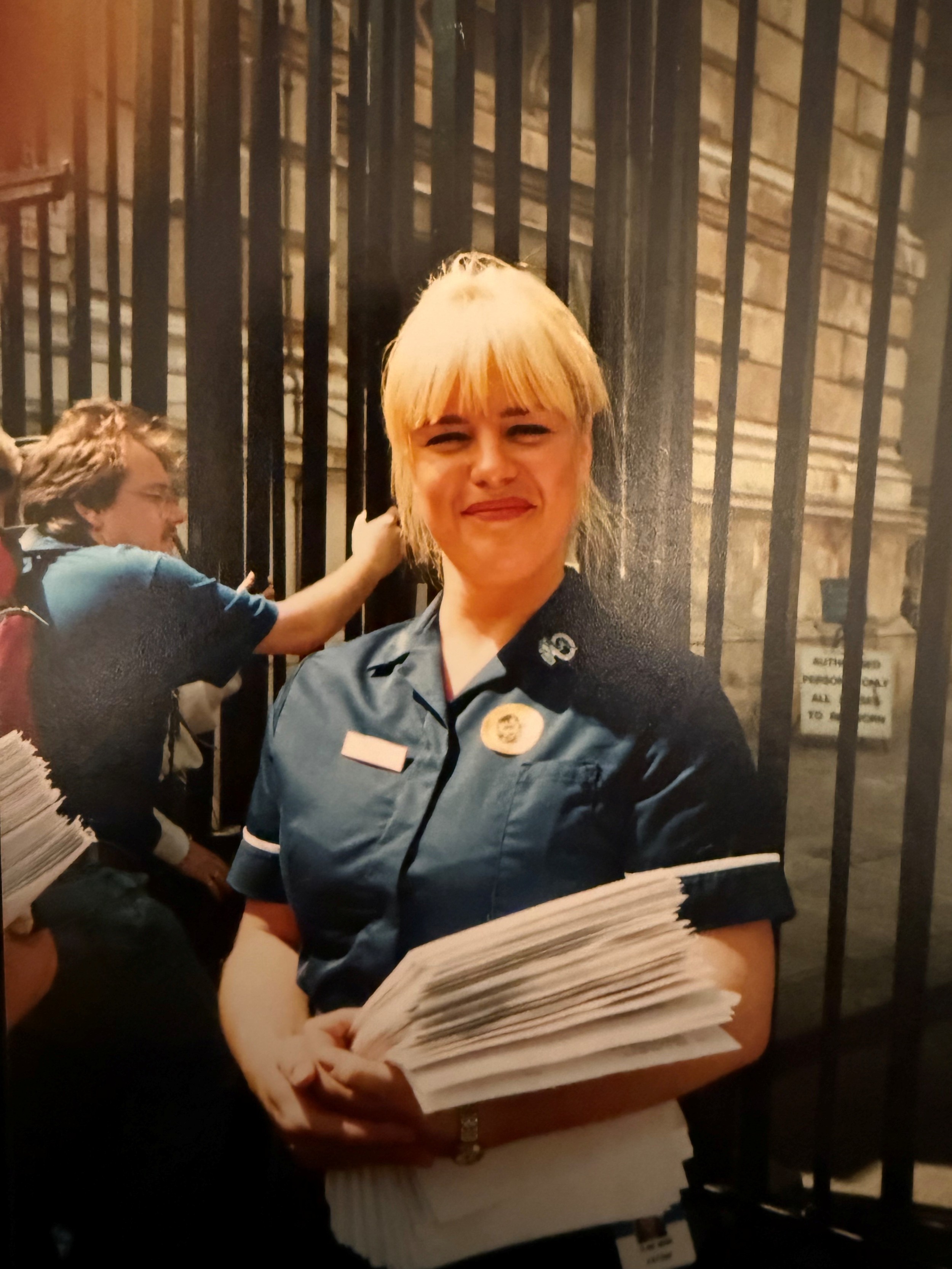
While no longer delivering care at the bedside, Clare’s background as an A&E Sister continues to shape a deep commitment to compassion, safety and quality in everything she does.
Clare said: “Wherever you are in your career, the fundamentals of caring for people in their most critical and vulnerable moments never change.”
For Clare, empathy is at the heart of nursing. She said: “It’s the ability to truly understand and connect with patients. Alongside strong clinical skills, adaptability and clear communication, it’s this compassion that defines great care. And sometimes, even a sense of humour plays an important role in building resilience and supporting both colleagues and patients through the toughest moments.”