
Small actions can save lives
As warmer weather arrives and the school holidays begin, we want everyone across the North East to enjoy the summer safely.
Every year, ambulance crews respond to emergencies during the summer months that are often preventable, including heat-related illness, water incidents and serious injuries involving bikes, scooters and other wheeled activities.
During summer 2025, NEAS responded to:
- 1,105 bike-related incidents, including 343 in August alone
- 443 heat-related incidents
- 7 water-related incidents, including people getting into difficulty in open water
Many of these incidents can be prevented through simple safety measures and greater awareness of the risks.
Why summer safety matters
Following recent periods of hot weather, we've seen first-hand the impact that warmer conditions can have on individuals, communities and emergency services.
Our summer safety campaign aims to help people make informed choices, stay safe and enjoy the summer without needing emergency care. A key focus is helping children, teenagers and young people understand the risks associated with hot weather, open water and wheeled activities.
By working together and taking a few simple precautions, we can help reduce avoidable demand on emergency services and ensure ambulance crews are available for those who need them most.
Click the drop down menus below to find out more about how to stay safe this summer.
High temperatures can cause people to become unwell quickly, particularly through heat exhaustion and dehydration. Hot weather can also worsen existing health conditions.
Children, older people, pregnant women and those with long-term health conditions are often at greater risk.
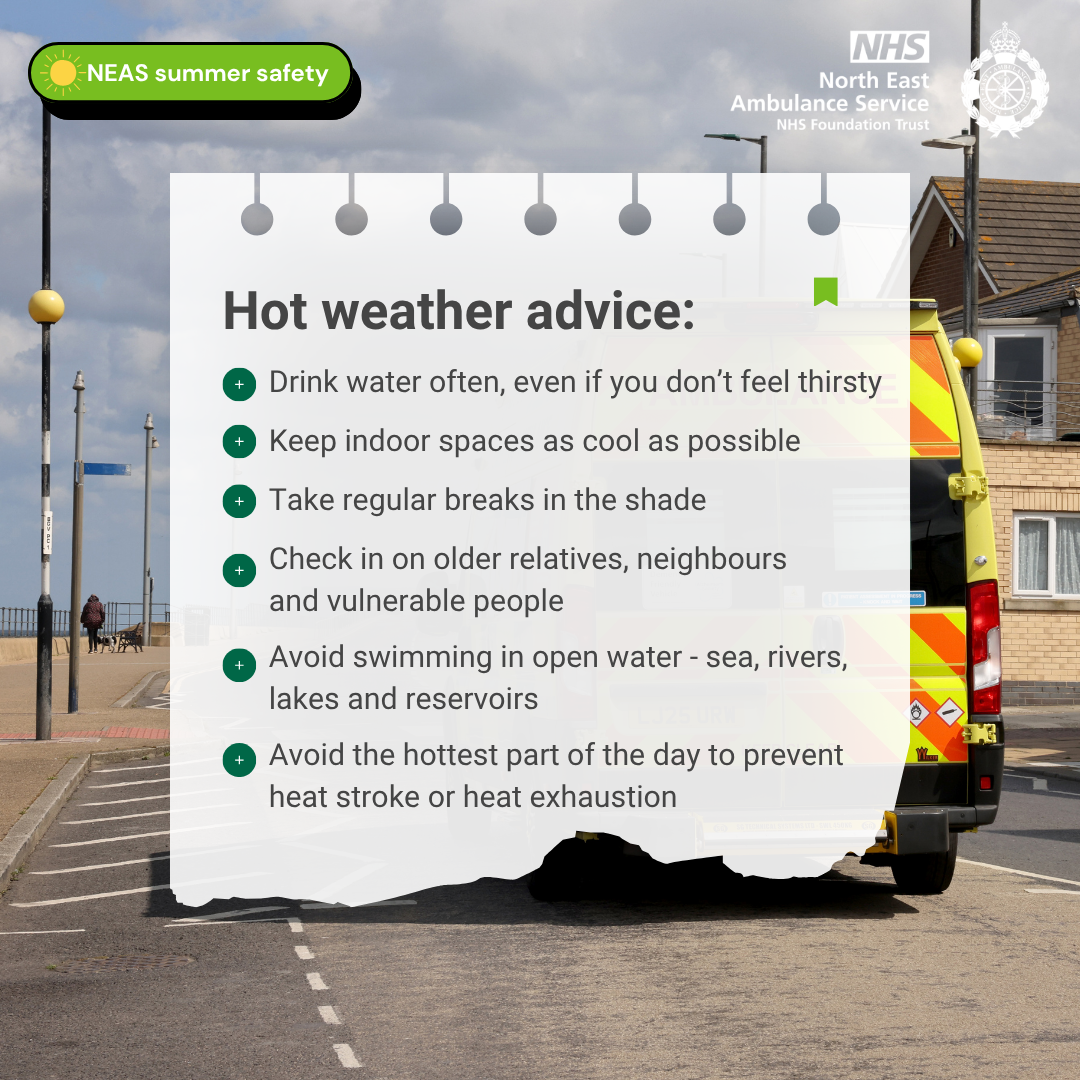
Stay safe in hot weather by:
- Drinking plenty of water throughout the day
- Taking regular breaks in the shade
- Wearing sunscreen and reapplying regularly
- Wearing light, loose-fitting clothing
- Avoiding strenuous activity during the hottest part of the day
- Checking in on older relatives, neighbours and vulnerable people
- Read more on the NHS website
Do you know the difference between heat exhaustion and heat stroke?
Heat exhaustion - Most people recover quickly with self-care.
Symptoms can include:
- Dizziness
- Headache
- Excessive sweating
- Feeling sick
- Tiredness or weakness
What to do:
- Move somewhere cool
- Rest
- Drink water
- Cool down
Heat stroke (medical emergency) - Heat stroke can be life-threatening.
Symptoms can include:
- Confusion
- Very high temperature
- Hot, dry skin
- Collapse
- Loss of consciousness
What to do:
- Call 999 immediately.
Water safety
Open water may look calm and inviting on a warm day, but it can be colder, deeper and more dangerous than people expect.
Cold-water shock can affect your breathing and ability to stay afloat within seconds.
Remember:
Even on the hottest days, rivers, lakes, reservoirs and the sea can remain dangerously cold.
Taking a moment to think before entering the water could save your life.
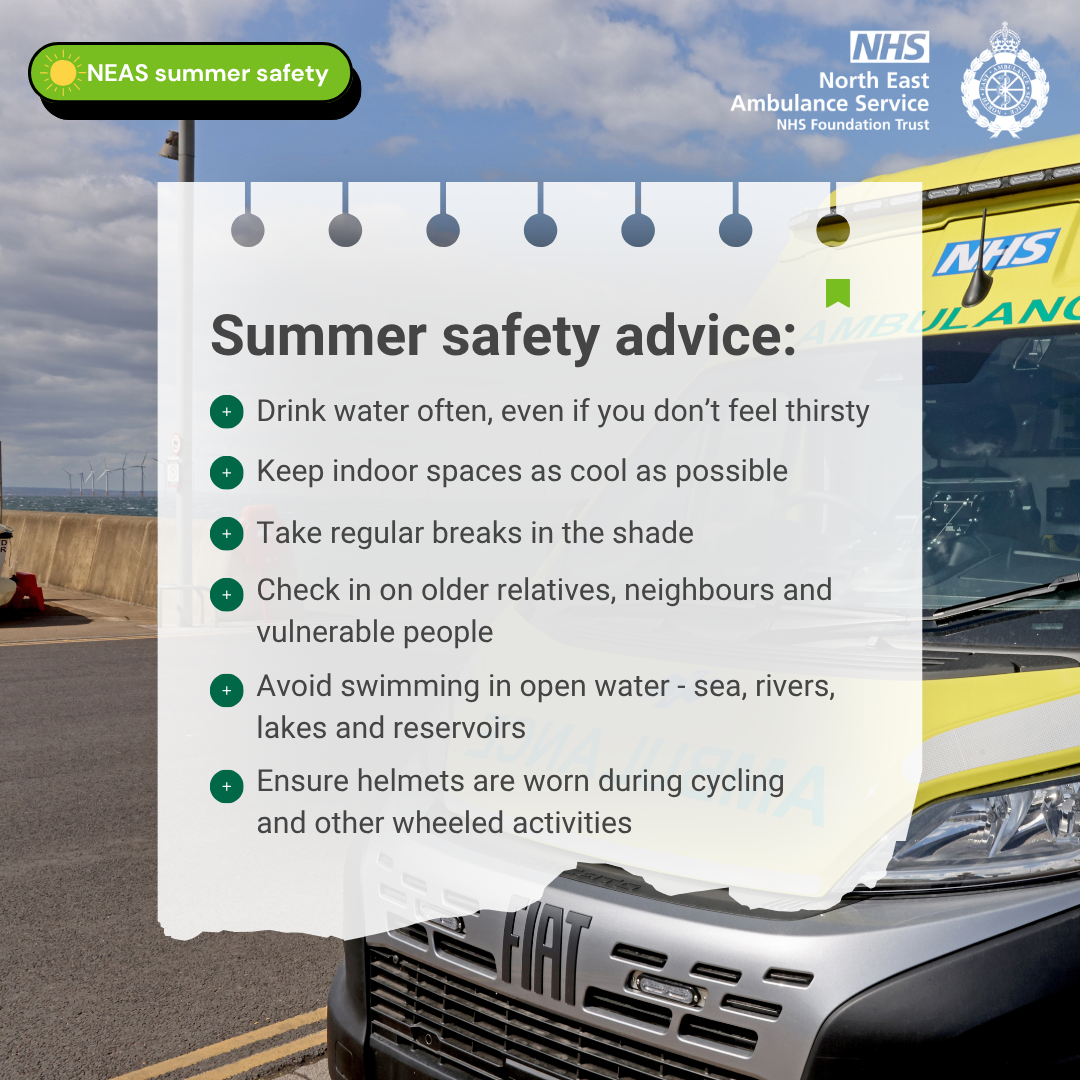
Stay safe around water by:
-
Avoiding swimming in rivers, lakes and reservoirs
-
Never jumping into water to cool down
-
Supervising children closely at all times
-
Avoiding alcohol when near water
-
Choosing supervised locations, such as lifeguarded beaches, where possible
-
Talking to children and young people about the dangers of open water
If something goes wrong
- Call 999 and ask for the coastguard if you're near the coast.
- If you're in difficulty in the water, try to float on your back and control your breathing - www.
rnli.org/ water-safety/ float - Look out for others and never put yourself at risk trying to rescue someone.
Additional resources
Our partner agencies, the RNLI and the Coastguard, have additional resources on water safety which you can access by visiting:
- HM Coastguard - Sea: https://
hmcoastguard.uk/ sea - HM Coastguard - On the beach: https://
hmcoastguard.uk/ on-the-beach - HM Coastguard - what to do if you get caught in a rip: https://
rnli.org/ video-player/ 96171053-7594-46EB-B66C18F8D20AAFE5 - RNLI sea safety - know the risks in and beside the water: https://
rnli.org/ water-safety/ know-the-risks - RNLI rip currents - water safety advice and drowning prevention: https://
rnli.org/ water-safety/ know-the-risks/ rip-currents - RNLI beach safety - top five tips to stay safe by the sea: https://
rnli.org/ water-safety/ beach-safety
Summer often means more people cycling, using e-bikes, scooters, skateboards and rollerblades.
Many of the serious injuries our crews attend involve head injuries, particularly where helmets have not been worn.
Small actions can prevent life-changing injuries.
Read more about bike safety as a cyclist and road user here: https://
Protect yourself every time you ride:
-
Wear a helmet – even for short journeys
-
Make sure your helmet fits properly
-
Replace damaged helmets immediately
-
Check bikes and scooters are safe before use
-
Stay aware of traffic and your surroundings
-
Encourage children and young people to wear helmets every time
Road safety matters too:
Whether you're walking, cycling, riding or driving:
-
Look out for cyclists, scooter users and pedestrians
-
Give plenty of space when passing
-
Check before turning or opening vehicle doors
-
Be patient and aware, particularly in busy areas
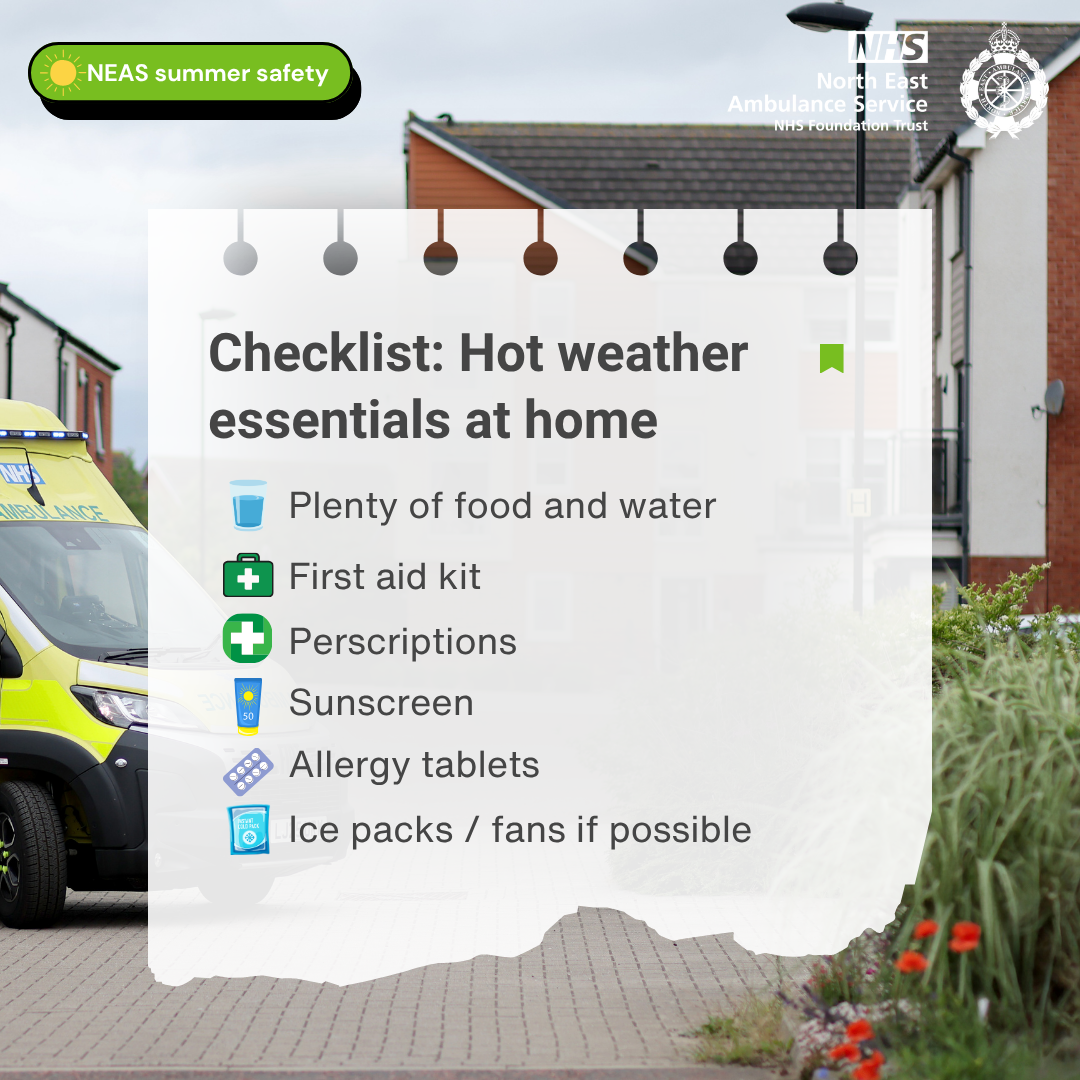
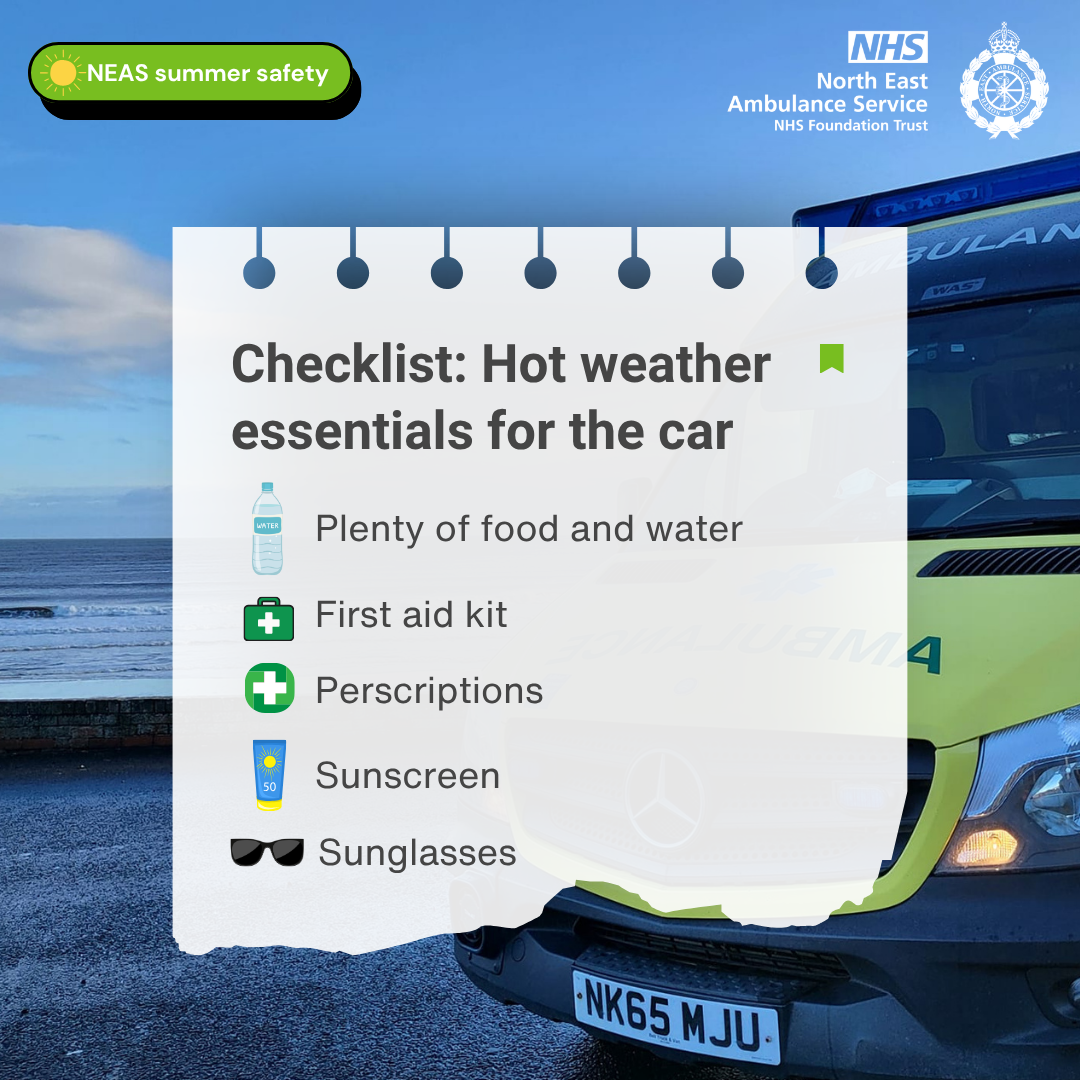
Being prepared can help you deal with minor issues early and prevent them from becoming more serious.
When you're heading out this summer, consider carrying:
-
Water
-
Sunscreen
-
Basic first aid supplies
-
A charged mobile phone
-
Appropriate clothing and sun protection
 .
. 
Choosing the right service helps ensure emergency care is available for those who need it most.
Call 999 if:
-
Someone is seriously ill or injured
-
Someone is unconscious
-
Someone is having difficulty breathing
-
Someone has symptoms of heat stroke
Use NHS 111 if:
-
You need urgent medical advice but it's not life-threatening
Consider other services like:
-
Your local pharmacy
-
Your GP practice
-
An urgent treatment centre for minor illnesses and injuries.
Working together to keep people safe
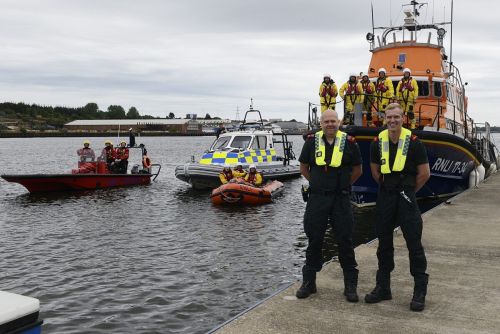
NEAS works closely with partners including HM Coastguard, the RNLI, fire and rescue services, police, mountain rescue teams, Great North Air Ambulance Service (GNAAS) and local hospital trusts to help keep communities safe and respond to incidents across the region.
Whether responding to water rescues, major events, serious road traffic collisions, missing people or periods of severe weather, these organisations work together to ensure the right help reaches people quickly when they need it most.
Enjoy summer safely
Summer should be a time to enjoy spending time with family and friends.
By taking simple steps to stay safe, looking out for others and making informed choices, you can help prevent avoidable emergencies and keep ambulance crews available for those who need them most.
Small actions can save lives.