
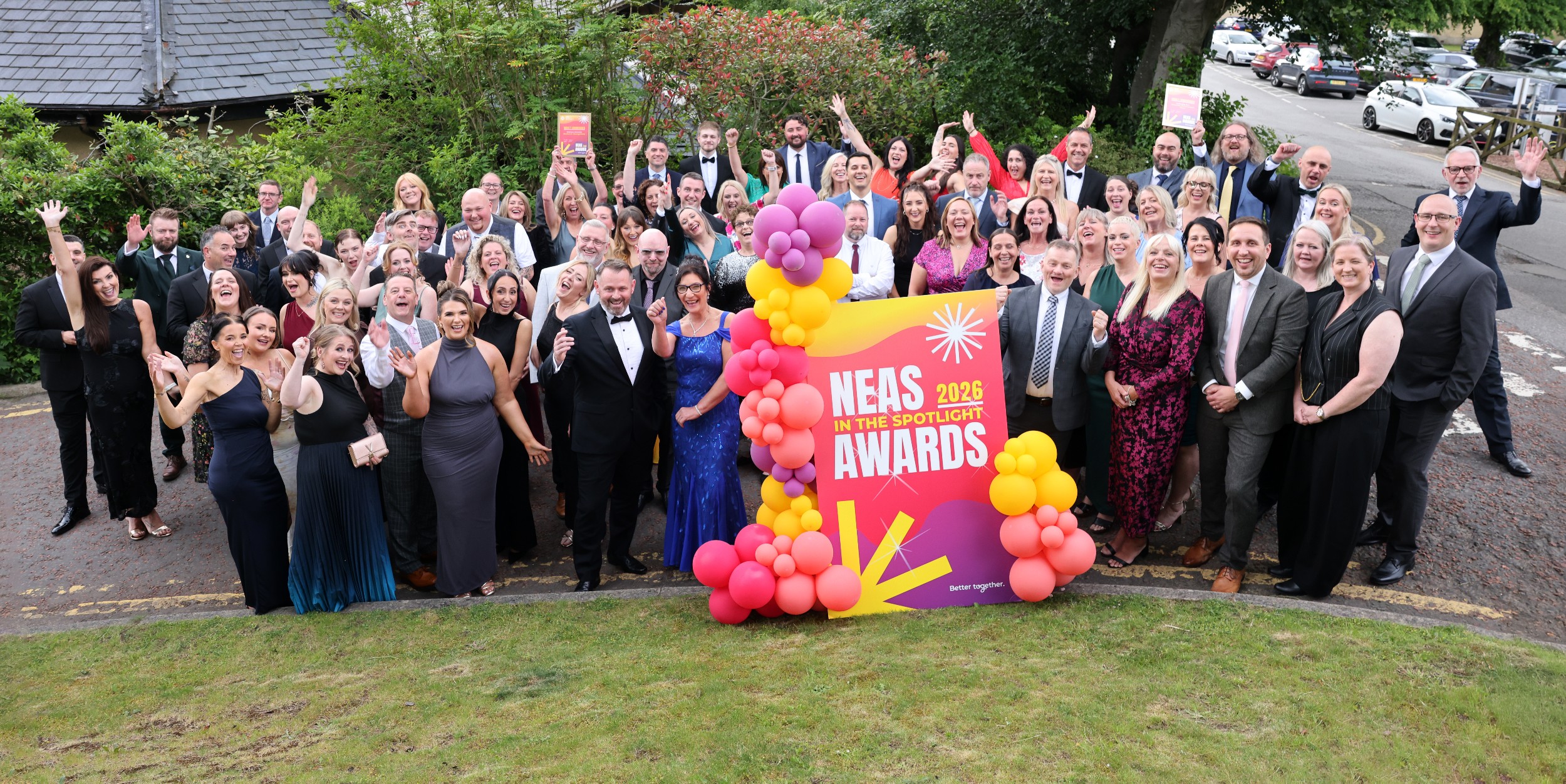
 Some of North East Ambulance Service's (NEAS) most inspiring colleagues and teams were recognised at the In The Spotlight Awards 2026, celebrating the people making an extraordinary difference to patients, communities, and colleagues across the region.
Held at Hardwick Hall Hotel in Sedgefield on Friday 19 June, the annual awards brought together staff from across the organisation for an evening of recognition, celebration and reflection on another remarkable year for the service.
Supported by valued partners and sponsors including Ward Hadaway, Explain Marketing and Teesside University, the event shone a spotlight on achievements across call handling and dispatch, patient transport service, education, leadership, support services, and emergency care.
The North East Ambulance Service covers 3,230 square miles across the North East region. It employs more than 3,700 staff and serves a population of 2.7 million people by handling all NHS 111 and 999 calls for the region, operating patient transport and ambulance response services, delivering training for communities and commercial audiences and providing medical support cover at events.
In 2025/26, teams in the emergency operations centre (EOC) and our operational crews responded to over 1.475m 999 and NHS 111 calls; transporting over 298,000 patients to hospital, treating over 143,800 patients at home or in their local communities, and treating and discharging over 56,000 patients over the phone. Patient transport service (PTS) teams transported over 536,700 patients to hospital and community care appointments.
This year, 435 nominations were submitted by colleagues, patients, and members of the public, highlighting the exceptional work taking place across every part of the organisation.
Chief executive of North East Ambulance Service, Kevin Scollay, said: "These awards celebrate the very best of NEAS. Every nominee, finalist, and winner has made a real difference to patients, colleagues, and communities across the North East. The stories behind this year's nominations demonstrate the compassion, professionalism, and dedication that our people bring to work every day, and I couldn't be prouder of them."
Altogether, 15 awards were presented to colleagues from across the service.
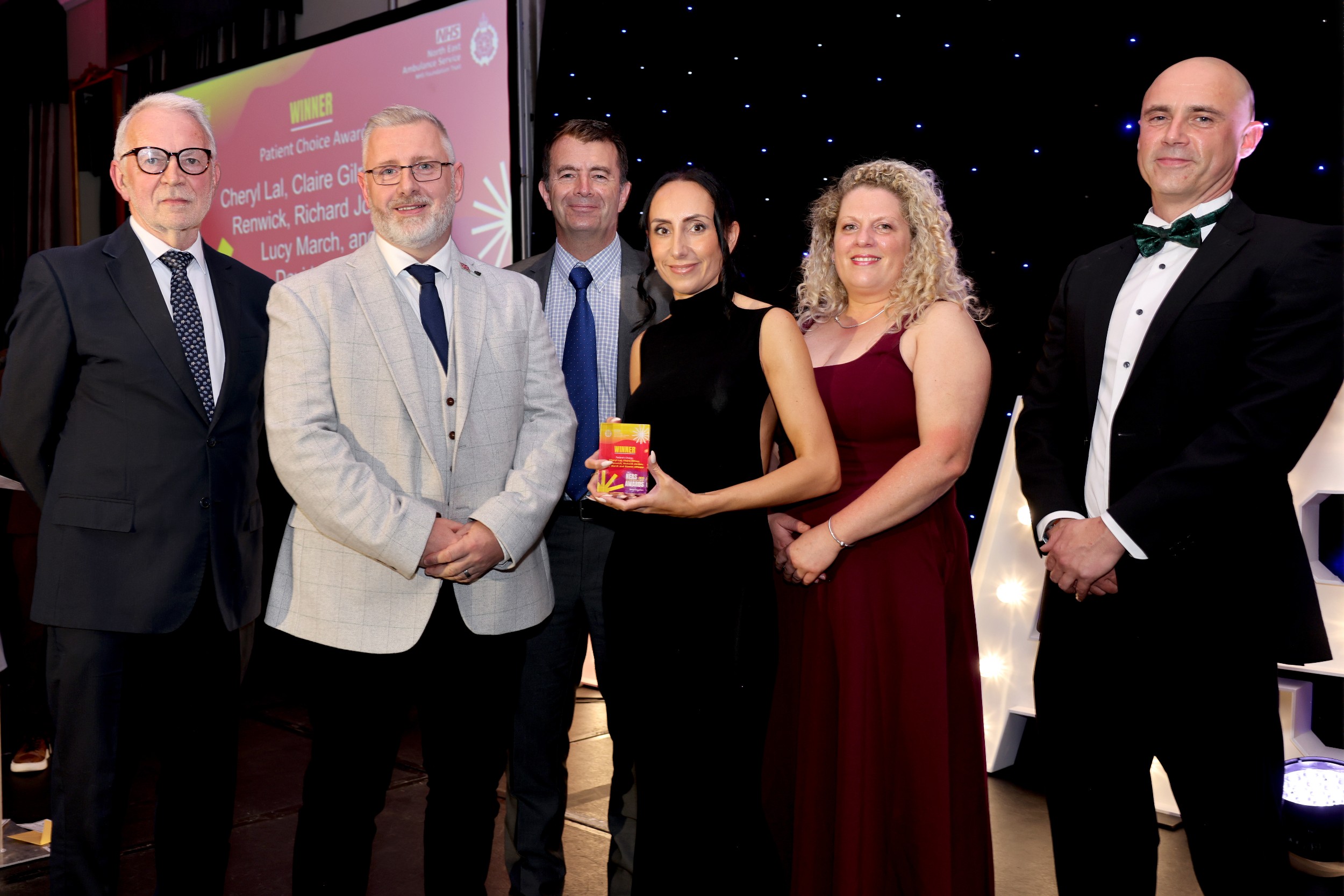
The Patient's Choice Award – the only award nominated for entirely by patients and their loved ones – attracted 68 nominations altogether and was presented to Cheryl Lal, Claire Gilroy, Paul Renwick, Richard Jordan, Lucy March and Steven Allsopp. The team were nominated by the family of eight-year-old Gracie-Leigh Marlow, who suffered a fatal asthma attack in November 2024.
Gracie-Leigh’s mum Alana Monaghan, who is now trying to awareness of the dangers of asthma, said: “I cannot thank them enough for all what they did that day.
“Gracie-Leigh had been diagnosed with asthma at the age of three and we had rung for ambulances for her before but on this occasion she quickly went downhill. They were all very professional during this difficult time and they were quick to get her to hospital to help her, but sadly the doctors told us there was nothing anyone could have done for her that day, her lungs had just had enough.
“The care and compassion, the sympathy and the general support the ambulance crews gave us was amazing. I was distraught but they took the time not only to look after Gracie-Leigh but to care for me too. I just hope that each individual knows how grateful we are as a family.”
Speaking after winning the award, Cheryl said: “I feel privileged to win this award and to be nominated by someone in their time of need.”
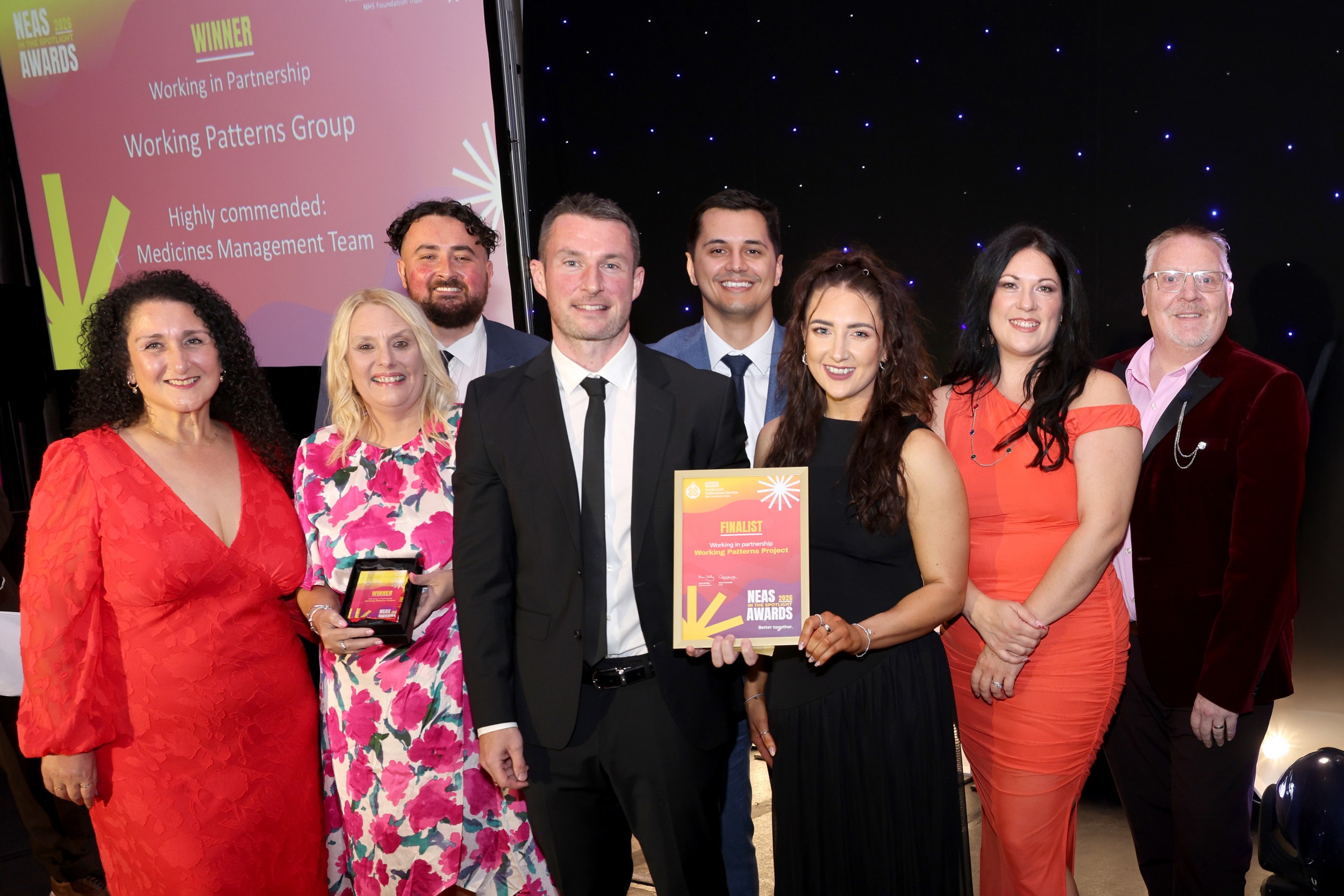
This year’s Working in Partnership Award went to the working patterns project, a two-year project which brought together operational teams, corporate colleagues, and trade union partners to address long-standing workforce challenges including late finishes, missed meal breaks, limited flexibility, and difficulties around relief arrangements.
Head of operations Darren Green, who also won Leader of the Year in recognition of his leadership of the working patterns project, said: “I feel really proud to have taken these awards and I’m really thankful to everyone who nominated us. It was a really long piece of work involving lots of members of the trust and the frontline teams, so to win an award has been fantastic.”
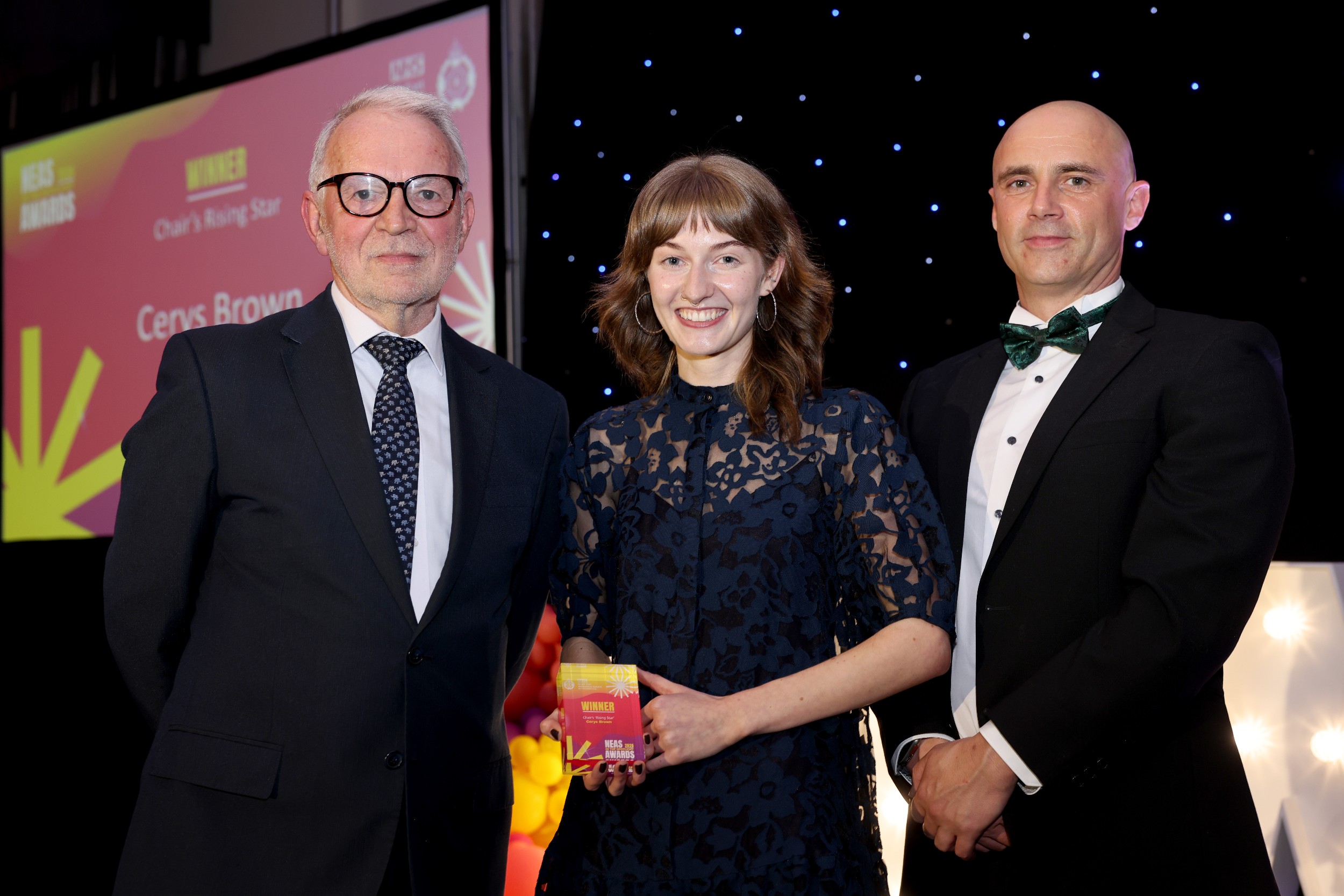
The Chair’s Rising Star Award was this year presented to health advisor Cerys Brown for her positive attitude, willingness to learn and commitment to teamwork, qualities that have helped strengthen the teams she works within while supporting the delivery of compassionate patient care to callers throughout the North East.
NEAS Chair Stuart Corbridge, who presented Cerys with her award, said: "What makes these awards so special is that they recognise people who have had a lasting impact on others. From colleagues at the beginning of their careers to those celebrating decades of service, our winners reflect the talent, commitment, and care that exists throughout NEAS. It was a privilege to celebrate their achievements."
Awards were also presented to individuals and teams whose work has driven improvements in patient care, innovation, inclusion and organisational excellence. Winners included the Learning Disability and Autism Awareness Programme, recognised for its national impact on improving care for people with learning disabilities and autism; the Working Patterns Project, which transformed staff rotas through extensive engagement and collaboration; and the Education Team, whose work continues to shape and develop the future ambulance workforce.
Highly commended recipients were also recognised across a number of categories, celebrating the breadth of talent, commitment, and innovation demonstrated by colleagues throughout the organisation.
The evening also celebrated the dedication of 25 long-serving colleagues who have each devoted between 20 and 40 years to caring for patients across the North East.
Among those recognised was Tracy Worrall, who is celebrating an incredible 40 years of service. Her milestone reflects four decades of commitment to patients, colleagues and the ambulance profession, making her one of the longest-serving members of the NEAS family.
Tracy, of Great Lumley, joined what was then Northumbria Ambulance Service, in 1985 as part of the service’s first cadet training programme and was one of the first women to join the service.
“We were the first ever squad – Squad A – we always said we were the best squad,” she said.
“When I joined, me and my colleague Neil both lived in South Shields and I was hoping to go to South Shields station so I didn’t have to travel but I couldn’t because there was no ladies toilet, so Neil got Shields and I had to go to Hebburn, which I don’t regret now because they were all lovely.
“At times it was hard because we felt we had to prove a point. Back then, we carried everybody so we had to prove we could lift because people said there was no way we’d be able to do the physical side of the job. We had had good training and I think we did prove our point, in fact I think we were pioneers.
“So much has changed since I joined, especially the uniform and the equipment, and the job and training has advanced so much; you feel like you can help people more now and make a bigger difference. I would absolutely love to go back 40 years and show some of my colleagues the new electric vehicles and stretchers, they would have thought it was the best thing ever that we didn’t have to lift somebody up and down stairs!
“Obviously I’ve seen a lot of patients over the years. People ask me how many babies I’ve delivered. I’ve no idea, I’ve never kept a tally, but they’ve always been a bit of a highlight. I’ve also seen a lot of deaths unfortunately, but it’s good that you can do your best for that family and try and make that process as easy as you possibly can to help them go through their own grieving process.
“I think the big highlight for me is my friends and the good laughs we’ve had over the years.”
James English, from silver sponsor Ward Hadaway said: “The NEAS In the Spotlight Awards 2026 reflect our commitment to recognising excellence, celebrating achievement, and supporting the incredible work taking place across the sector.
“The awards provide an important opportunity to reflect and recognise the talent, energy and compassion which exists across the service. We had an amazing evening celebrating the finalists and winners, and hearing their inspiring stories in such a positive and uplifting environment."
The winners of the NEAS Awards 2026 were:
-
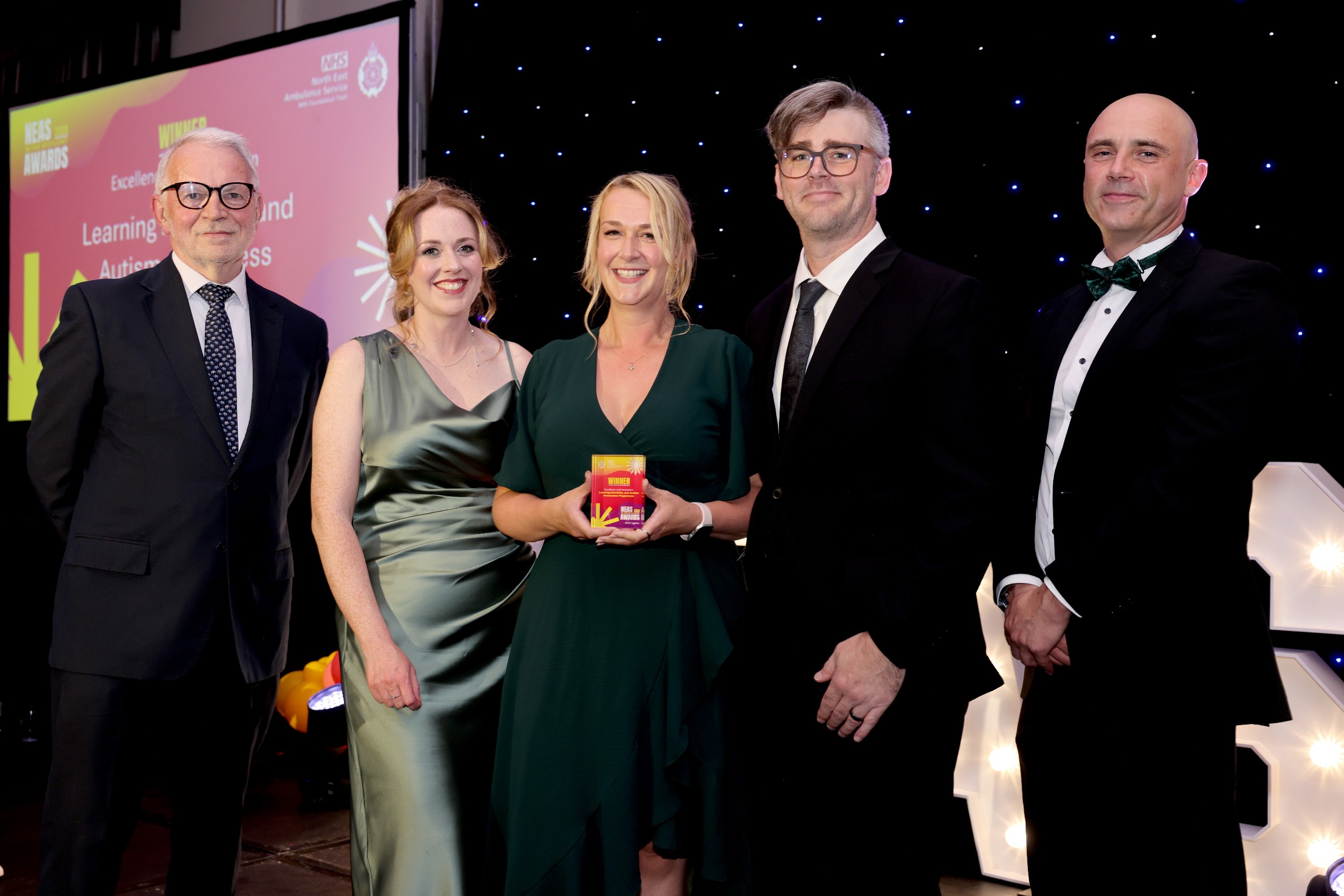
Excellence and Innovation – Learning Disability and Autism Awareness Programme
-
Working in Partnership – Working Patterns Project
-
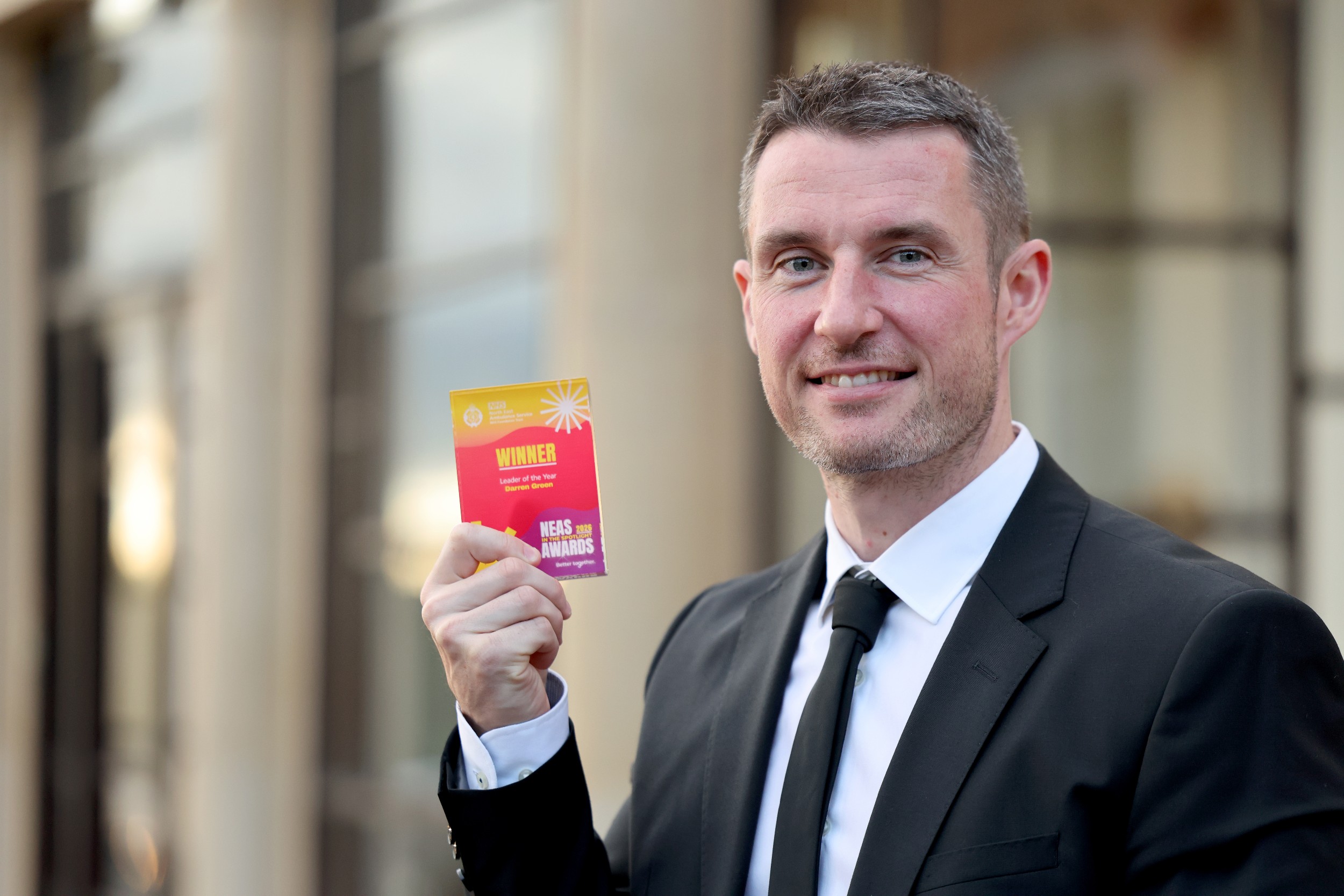
Leader of the Year – Darren Green
-
Education and Training – Claire Affleck
-
Compassionate Care – Thomas Barnes
-
Inclusion and Respect – Reasonable Adjustments Working Group
-
Outstanding Team – Education Team
-
Outstanding Individual (Unscheduled Care) – Alex Robbins
-
Outstanding Individual (Patient Transport Services) – Debra Walling
-
Outstanding Individual (Emergency Operations Centre) – Angela Wales
-
Outstanding Individual (Support Services) – Lindsay Pearson
-
Unsung Hero – Tracey Proudlock
-
Patient's Choice Award – Cheryl Lal, Claire Gilroy, Paul Renwick, Richard Jordan, Lucy March and Steven Allsopp.
-
Chair's Rising Star Award – Cerys Brown
-
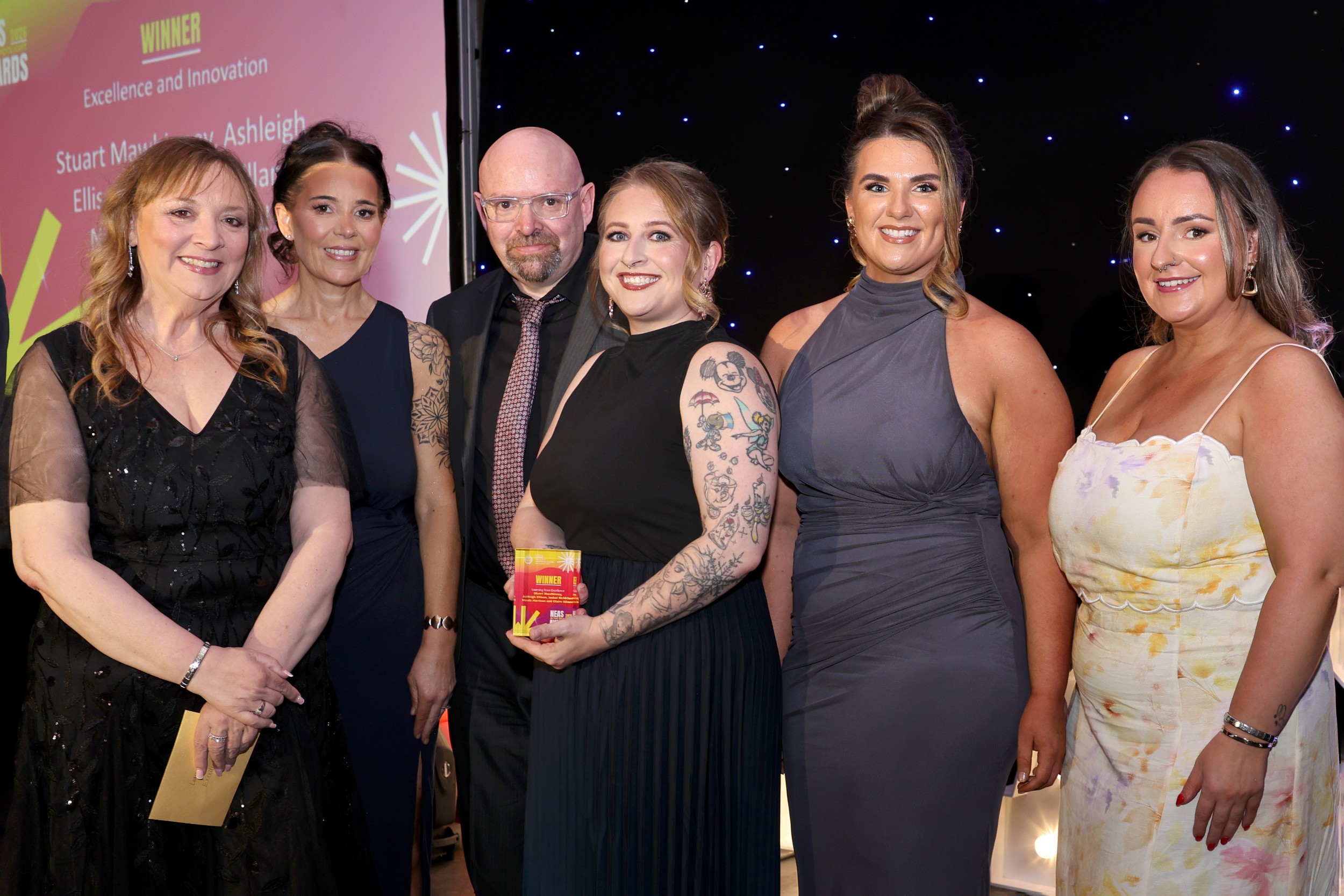
Learning from Excellence – Stuart Mawhinney, Ashleigh Ellison, Isobel McMillan, Nicola Harrison and Claire Gibson
Find out more about each of our winners below.
The Learning Disability and Autism Awareness Programme was recognised for fundamentally changing how patients with learning disabilities and autism experience urgent and emergency care.
Rather than developing a training package in isolation, the team worked closely with people with lived experience, carers, and system partners to ensure the programme reflected the real challenges many patients face when accessing healthcare. The result was the first pre-hospital learning disability and autism training programme of its kind; one built around understanding, communication, and compassionate care.
Already delivered to more than 90% of the NEAS workforce, the programme goes far beyond statutory requirements and gives staff practical tools they can use every day. This includes adapting communication styles, recognising sensory sensitivities, and understanding how to reduce distress for patients during ambulance interactions.
The impact has already been significant. Staff report greater confidence when caring for patients with learning disabilities and autism, while patients and families have shared positive feedback about feeling more understood, respected, and supported.
The programme has also received national recognition, including the HPMA Innovation Award, and is now being adopted by other ambulance trusts across the country. With integration into mandatory training from 2025/26, the work will continue to shape more inclusive, person-centred care for years to come.
At its heart, this programme has helped create safer, calmer and more compassionate experiences for some of the most vulnerable patients in our communities.
Judges described the programme as work of national significance, praising its exceptional public involvement and its influence beyond NEAS. They highlighted the rapid rollout to more than 90% of the workforce and the programme's success in changing staff attitudes and improving care for people with learning disabilities and autism.
The Working Patterns Project was recognised for demonstrating what meaningful partnership and collaboration can achieve when staff voices are placed at the centre of change.
Over a two-year period, the project brought together operational teams, corporate colleagues, and trade union partners to address long-standing workforce challenges including late finishes, missed meal breaks, limited flexibility, and difficulties around relief arrangements.
The team invested heavily in engagement, listening carefully to colleagues across the organisation and ensuring feedback genuinely shaped the final outcomes.
Through open communication and collaborative working, staff helped influence changes including more flexible rota options, improved annual leave structures, and shift patterns better aligned to operational demand.
Delivering change at this scale required significant coordination across departments, balancing operational requirements, workforce wellbeing and service delivery. Throughout the process, the project team maintained transparency and continued to involve staff in discussions and decision making.
The impact has been felt across the organisation. Staff wellbeing and engagement have improved, teams feel they have had a meaningful voice in shaping how they work, and frontline colleagues are better supported to provide high-quality care to patients.
Importantly, the project has also created a strong foundation for future workforce engagement at NEAS, demonstrating how partnership working can deliver lasting and positive organisational change.
Judges praised the project for delivering meaningful improvements for staff through listening, collaboration and high levels of engagement. They recognised the positive impact on staff wellbeing and the successful implementation of new rotas that benefit both colleagues and patients.
Darren Green was recognised for the leadership he demonstrated while leading one of the organisation’s most significant workforce change programmes; the Working Patterns Project.
Throughout the programme, Darren provided calm, consistent and highly visible leadership, helping guide teams through a complex period of change while maintaining strong relationships with colleagues and stakeholders across the Trust.
He led engagement sessions, communicated openly and ensured staff feedback was not only heard but meaningfully reflected in decision making. Colleagues valued his approachable and collaborative leadership style, which created an environment where people felt confident contributing ideas and raising concerns.
Alongside this, Darren demonstrated a strong ability to anticipate challenges before they escalated, proactively identifying risks and keeping the programme on track while balancing operational pressures and workforce priorities.
The result has been rota changes that better support staff wellbeing while also improving alignment between workforce resources and patient demand. Beyond the practical outcomes, Darren’s leadership helped build trust and confidence throughout the process, ensuring people felt supported during a period of significant change.
His approach demonstrated that successful leadership is not simply about delivering outcomes, but about bringing people with you every step of the way.
Judges highlighted Darren's inclusive leadership style and the significant impact he had through his role in developing the Working Patterns Project. They praised his ability to lead an important organisational change programme while ensuring staff voices remained central throughout the process.
Claire Affleck was recognised for the exceptional support, guidance and encouragement she provides to student paramedics during one of the most demanding stages of their development.
Throughout an intensive first year of training, Claire consistently went beyond her formal teaching responsibilities to ensure students felt supported both academically and personally. She delivered additional revision sessions, provided one-to-one guidance, offered detailed feedback and adapted her teaching approaches to meet individual learning needs.
Importantly, much of this support was provided flexibly and outside standard working hours, ensuring students could access help when they needed it most.
Alongside academic development, Claire placed a strong emphasis on wellbeing. Through regular check-ins and creating a safe and supportive learning environment, she helped students feel more confident discussing challenges, reducing anxiety around coursework and exams.
The impact of her work is reflected in a cohort of student paramedics who feel more prepared, resilient and confident as they move towards frontline roles. By supporting both professional development and personal wellbeing, Claire is helping shape compassionate clinicians capable of delivering high-quality patient care.
Her dedication demonstrates that outstanding education is about far more than delivering content — it is about helping people believe in their ability to succeed.
Judges described Claire as a highly respected educator whose support has made a lasting difference to student paramedics. They praised her intuitive approach to teaching, commitment to learner wellbeing and the positive impact she is having on the future workforce. 
Thomas Barnes was recognised for demonstrating exceptional compassion, courage and professional judgement during a highly challenging incident involving a vulnerable patient.
While attending an intoxicated patient who initially refused care, Thomas recognised signs that raised wider safeguarding concerns beyond the immediate clinical presentation. Rather than disengaging from the situation, he and his colleague continued to monitor events closely, acting on instinct, experience and a strong sense of duty of care.
When the patient was led away by an individual displaying concerning behaviour, Thomas escalated his concerns, worked alongside police colleagues and ultimately intervened to ensure the patient’s safety, preventing what could have become a serious assault.
The situation required difficult and balanced decision making, particularly given the refusal of care and the potential personal safety risks involved. Throughout the incident, Thomas remained professional, calm and focused on protecting a vulnerable individual.
His actions had a significant outcome. A patient was safeguarded from harm, a serious incident was prevented and the individual responsible was apprehended.
This award recognises not only compassionate care, but the courage to act when it matters most.
Judges commended Thomas for going above and beyond to protect a vulnerable patient in a difficult and potentially dangerous situation. They highlighted his compassion, courage and determination to do the right thing, noting that his actions directly prevented serious harm. 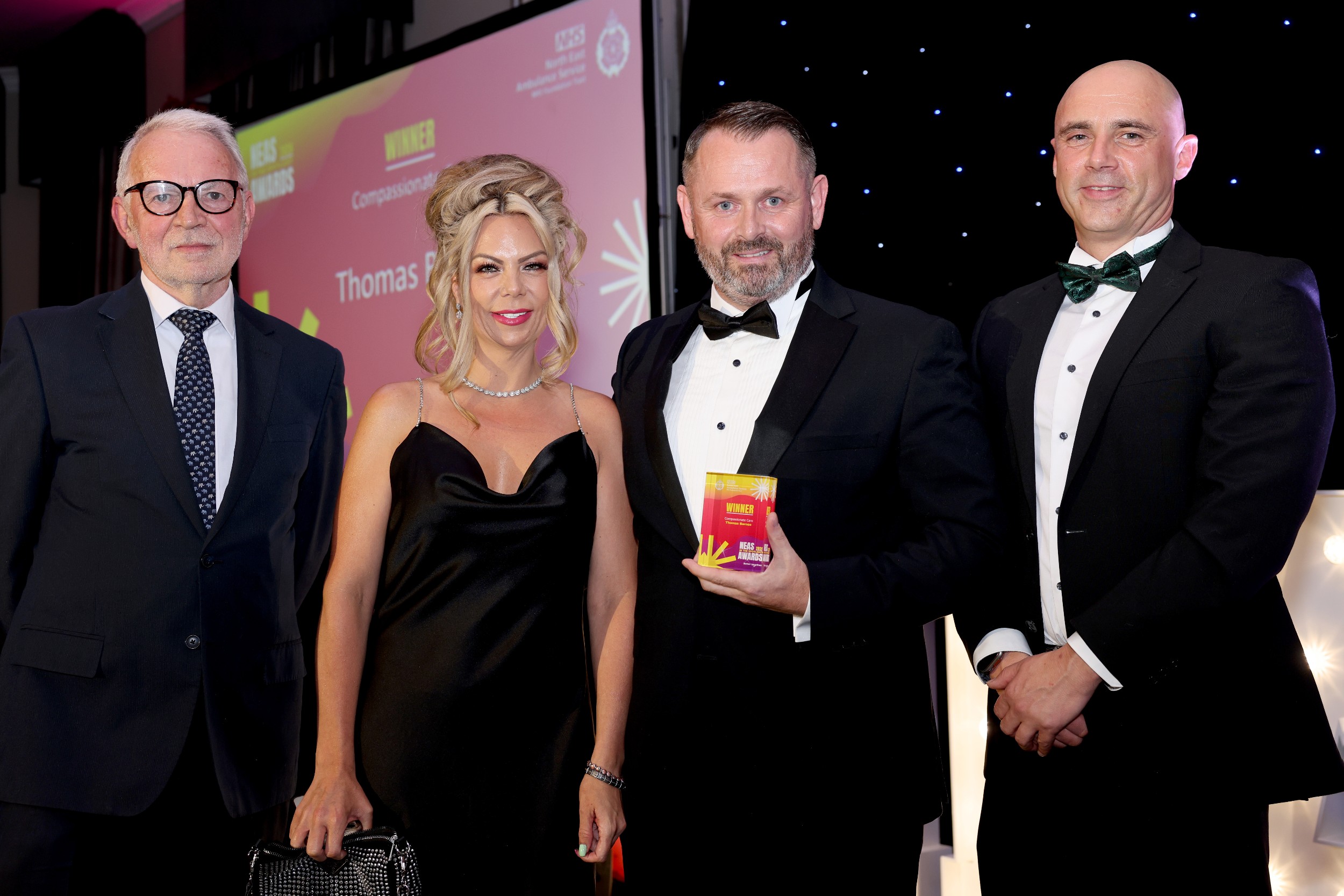
The reasonable adjustments working group was recognised for helping create a more inclusive and supportive workplace for colleagues across the organisation.
The group identified that access to reasonable adjustments was often inconsistent and unclear, with many staff needing to repeatedly explain their circumstances or navigate complicated processes in order to access support.
In response, the group worked collaboratively with colleagues with lived experience, HR teams, operational leaders and trade union representatives to co-produce a comprehensive policy, toolkit and resource hub. The work was shaped directly by the experiences and needs of staff, ensuring the final resources were practical, accessible and meaningful.
The toolkit introduced clearer guidance for both staff and managers, including flowcharts, examples of adjustments and defined responsibilities, helping create a more transparent and consistent process across the Trust.
The impact was immediate. Staff reported increased confidence in requesting support and reduced anxiety around the process, while managers felt better equipped to respond compassionately and consistently.
By moving from a reactive approach to one focused on proactive support, the group has strengthened inclusion, improved wellbeing and helped create an environment where colleagues feel valued and able to perform at their best.
Judges praised the group for removing barriers and helping create a more supportive and inclusive workplace. They highlighted the practical impact of the work, noting that it has improved confidence, enabled staff to perform their roles more effectively and fostered a more positive culture around seeking support. 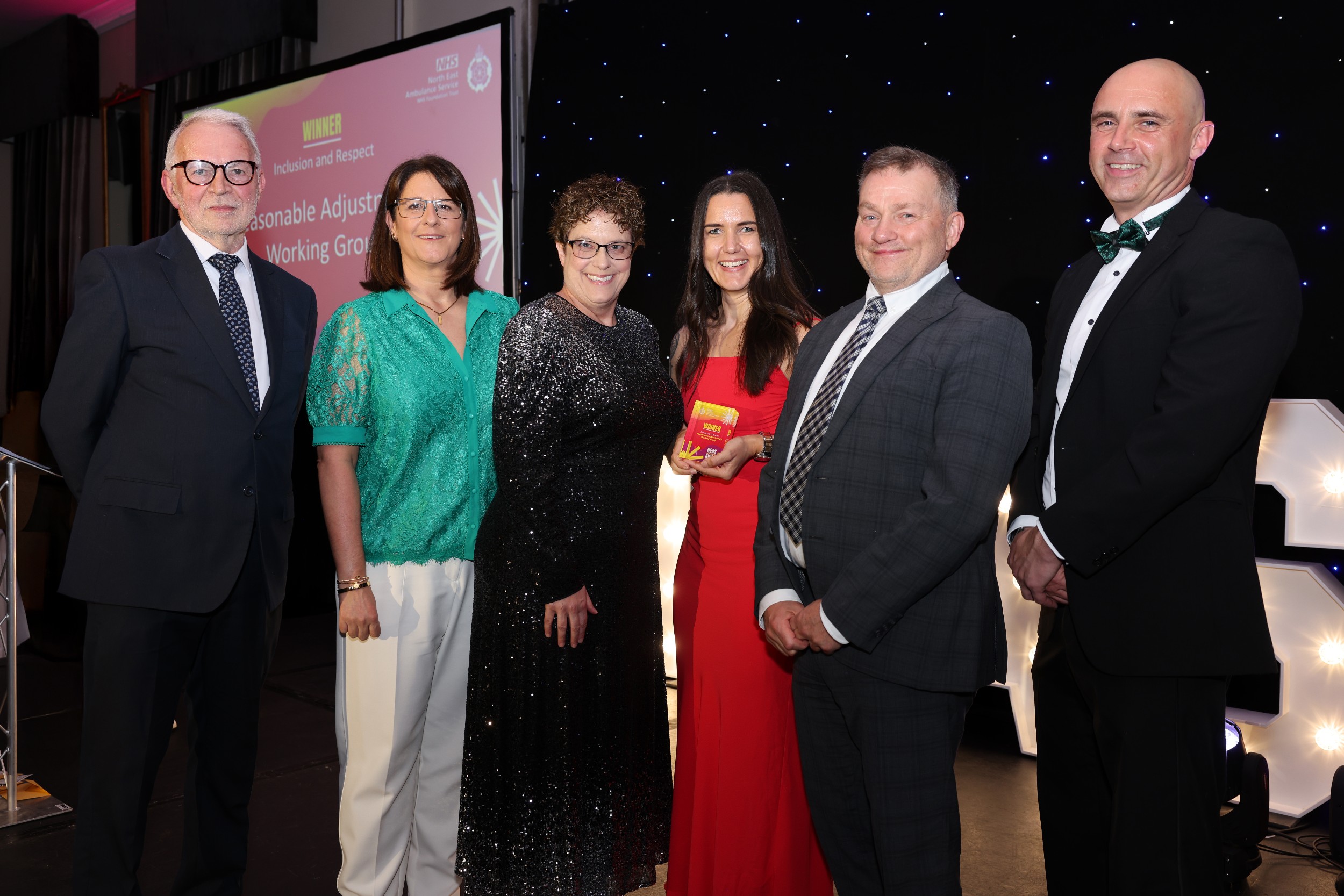
The education team was recognised for delivering exceptional education, innovation and support at scale while maintaining consistently high standards across the organisation.
Supporting thousands of learners across NEAS, the team has achieved a 90% apprenticeship completion rate, significantly above the national benchmark, alongside 98% compliance in statutory and mandatory training and a Green rating across all areas in the NHSE Dean’s Quality Review.
Alongside these achievements, the team has continued to develop innovative programmes that improve care for patients and strengthen the workforce, including the nationally recognised Learning Disability and Autism Awareness Programme.
Judges praised the team’s ability to combine “scale, quality and innovation,” highlighting the direct impact their work has on patient care by ensuring frontline colleagues are well trained, confident and equipped to make strong clinical decisions.
Their work continues to shape the future of ambulance education, supporting learners at every stage of development while helping ensure patients across the region receive safe, compassionate and high-quality care.
Judges recognised the team's exceptional achievements across education, training and workforce development. They praised the scale and quality of their work, highlighting the positive impact on staff development, retention and ultimately the care provided to patients. 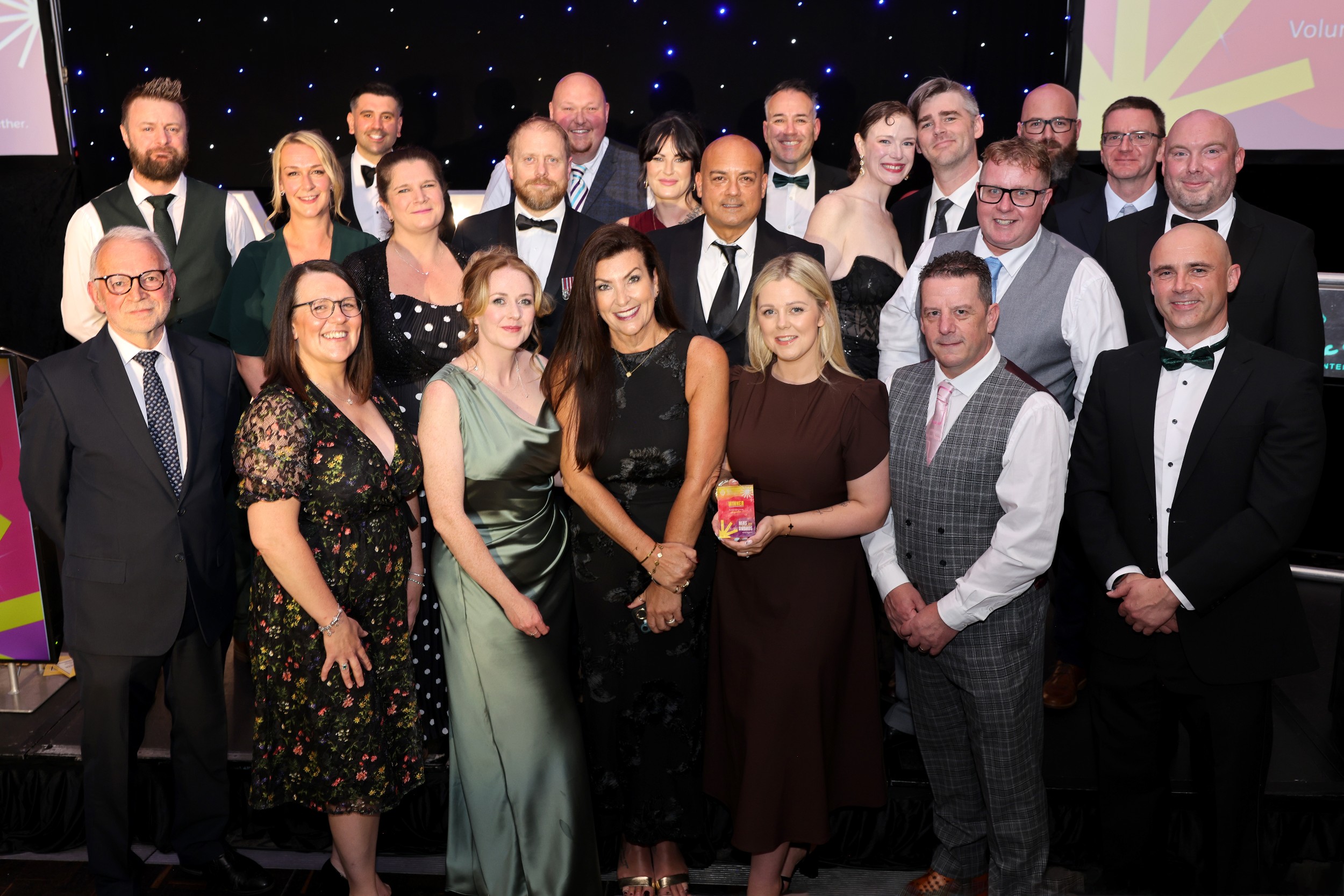
Alex Robbins was recognised for consistently delivering outstanding patient care in one of the most demanding areas of the service.
Working in unscheduled care means making quick decisions in high-pressure situations, often with limited information, and colleagues described Alex as calm, methodical and highly focused under pressure. Their ability to assess complex situations, prioritise effectively and communicate clearly helps ensure patients receive timely and safe care when they need it most.
Alongside strong clinical judgement, Alex is also recognised for supporting colleagues and strengthening teamwork on shift, helping create a collaborative environment where patient risks and needs are clearly understood.
Judges praised Alex for delivering “a consistently high standard of compassionate care,” highlighting the reassurance and confidence patients feel during difficult and uncertain moments.
The impact of Alex’s work can be seen in safer patient outcomes, stronger teamwork and a calm, compassionate approach that helps patients feel supported throughout their care.
Judges praised Alex's calmness under pressure and the outstanding care delivered during a life-saving incident involving a young mother. They highlighted Alex's clinical judgement, teamwork and the profound difference their actions made to both the patient and her family.
Debra Walling was recognised for consistently delivering compassionate, person-centred care through the Patient Transport Service.
For many patients, transport journeys can be stressful, tiring or emotionally significant, and Debra is known for ensuring every patient feels safe, comfortable and respected throughout their journey. Through reassurance, conversation and kindness, she helps make difficult days feel more manageable for the people she supports.
Alongside her compassionate approach, Debra demonstrates reliability and professionalism in every aspect of her role, helping ensure patients reach appointments safely, on time and with dignity.
Judges praised Debra’s ability to turn “what could feel like a routine journey into an extension of compassionate care,” recognising the lasting impact small moments of kindness can have on patient experience.
Her dedication reflects the important role our Patient Transport Service plays in supporting both patients and the wider healthcare system every day.
Judges commended Debra for demonstrating exceptional professional curiosity and safeguarding awareness. They praised her determination to go beyond the immediate task, building trust with a vulnerable patient and helping secure a life-changing outcome. 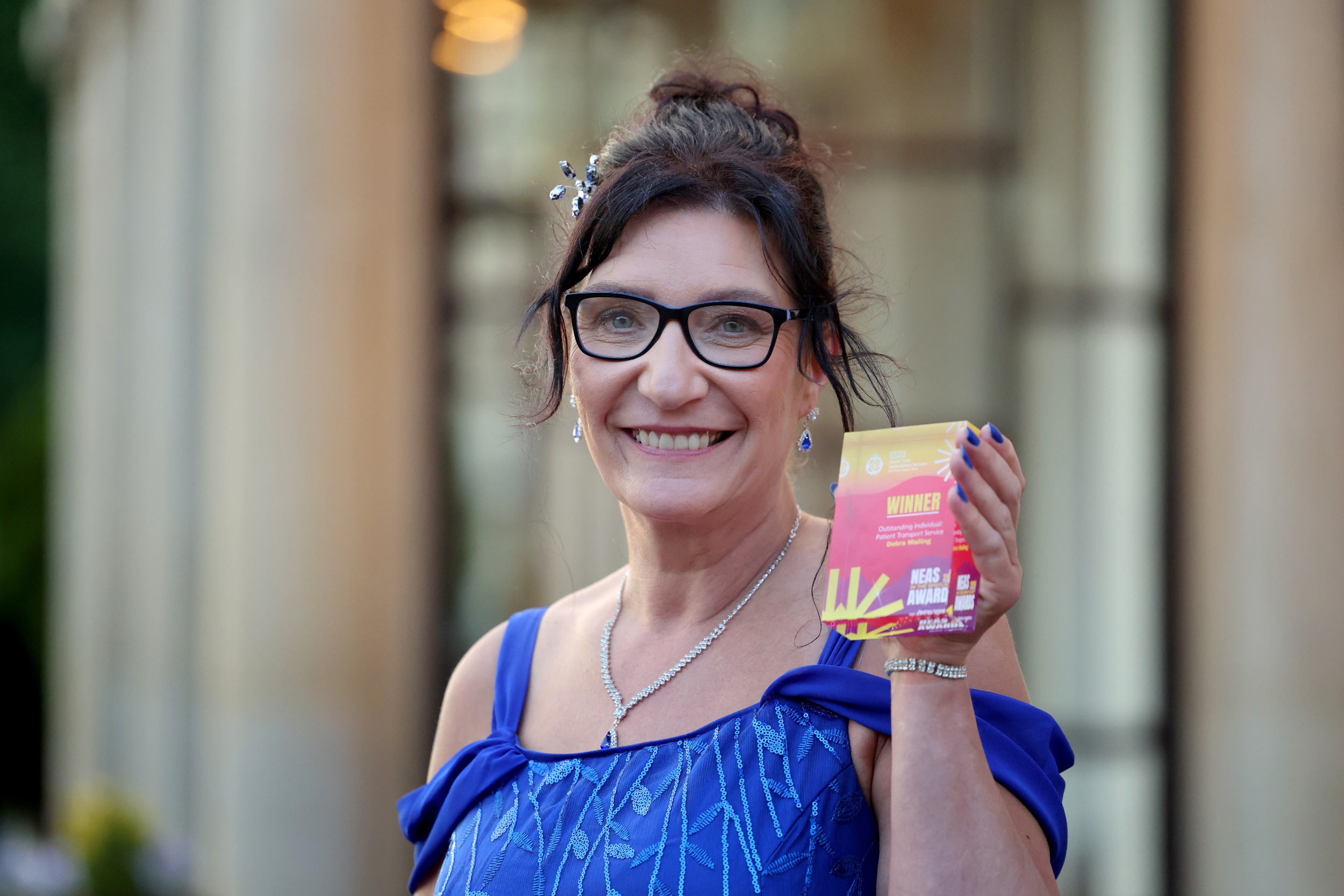
Angela Wales was recognised for the vital role she plays within the Emergency Operations Centre, where patient need is first identified and resources are coordinated across the region.
Working in a fast-paced and high-pressure environment, Angela consistently demonstrates exceptional situational awareness, decision making and organisational skills. Her calm and structured approach helps ensure resources are deployed effectively and patients receive timely responses.
Alongside coordinating incidents and supporting crews on the ground, Angela is also recognised for the support she provides to colleagues within the EOC, helping maintain strong teamwork and a culture of continuous improvement.
Judges highlighted Angela’s “ability to remain calm and focused under pressure,” recognising the significant impact her work has on patient safety, operational coordination and service delivery.
Through her professionalism and commitment, Angela helps ensure patients receive the right help, in the right place, at the right time.
Judges recognised Angela's calm leadership in supporting more than 1,200 cardiac arrest and major trauma incidents. They praised the significant impact she has on both staff and patients, ensuring colleagues feel supported while maintaining high-quality service delivery in challenging circumstances. 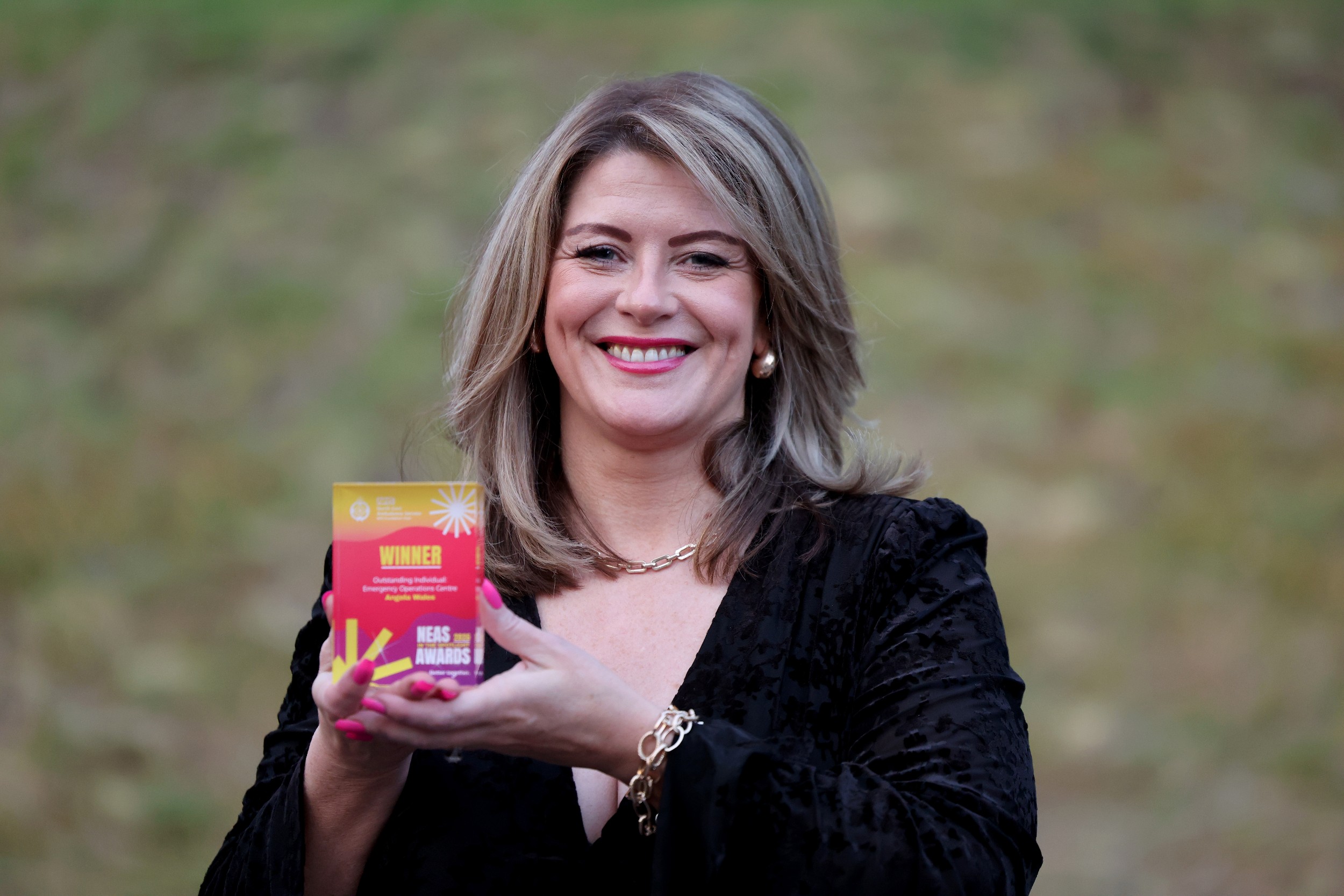
Lindsay Pearson was recognised for the vital contribution she makes behind the scenes in supporting frontline care across NEAS.
Through proactive problem solving, coordination and operational support, Lindsay helps ensure teams have the systems, resources and practical support they need to deliver safe and effective patient care.
Colleagues describe Lindsay as reliable, approachable and highly proactive, often identifying and resolving issues before they can affect operational delivery. Her collaborative approach has made her a trusted point of contact across multiple teams.
Judges praised Lindsay for demonstrating “the crucial role support services play in enabling patient care,” recognising the significant impact her work has on keeping services running smoothly and efficiently.
While patients may never meet Lindsay directly, her contribution is felt in every well-coordinated process, smoother shift and supported frontline team. 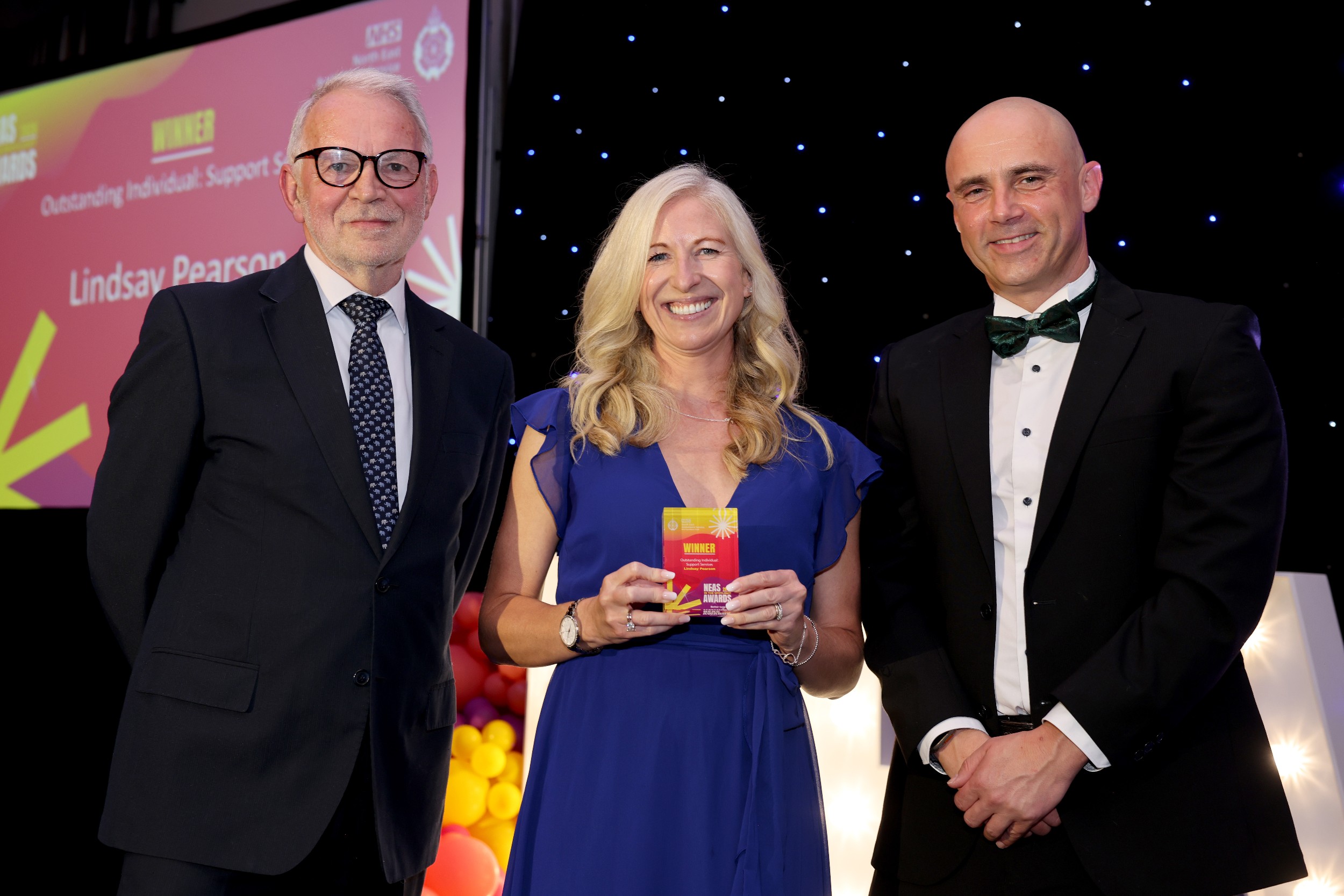
Tracey Proudlock was recognised for the countless everyday contributions that make a lasting difference across the organisation.
Known for her reliability, kindness and willingness to support others, Tracey consistently goes above and beyond to help colleagues, solve problems and ensure work continues smoothly even during challenging circumstances.
Whether stepping in to support teams under pressure or helping colleagues navigate difficult situations, Tracey’s contribution is felt daily by the people around her.
Judges described Tracey as someone who “embodies teamwork, compassion and dedication,” recognising the enormous impact consistent, behind-the-scenes support can have across the service.
Her work helps create a positive and supportive environment for colleagues, which in turn strengthens the care provided to patients across the region.
Cheryl Lal, Claire Gilroy, Paul Renwick, Richard Jordan, Lucy March and Steven Allsop were recognised by the family of eight-year-old Gracie-Leigh Marlow, who suffered a fatal asthma attack in November 2024.
Gracie-Leigh’s mum Alana Monaghan, who is now trying to awareness of the dangers of asthma, said: “I cannot thank them enough for all what they did that day.
“Gracie-Leigh had been diagnosed with asthma at the age of three and we had rung for ambulances for her before but on this occasion she quickly went downhill. They were all very professional during this difficult time and they were quick to get her to hospital to help her, but sadly the doctors told us there was nothing anyone could have done for her that day, her lungs had just had enough.
“The care and compassion, the sympathy and the general support the ambulance crews gave us was amazing. I was distraught but they took the time not only to look after Gracie-Leigh but to care for me too. I just hope that each individual knows how grateful we are as a family.”
Altogether 68 nominations were received by patients and their families this year.
Judges reflected on the number of powerful and moving nominations submitted by patients and their families. They praised the compassion, professionalism and support shown during some of life's most difficult moments, recognising the lasting impact the team's care had on those they helped.
In relation to the award-winning team, the judges praised them for demonstrating “the true impact of compassionate care,” highlighting the lasting impression these interactions leave on patients and families long after the event itself.
Their nominations are a powerful reminder that while clinical skill is essential, it is empathy, understanding and compassion that often define a patient’s experience of care.
Cerys Brown was recognised as a rising talent within the organisation, already demonstrating the qualities of a future leader early in her career.
Through professionalism, curiosity and a strong commitment to learning, Cerys has quickly made a positive impact on both colleagues and patients. She approaches every opportunity with enthusiasm and a clear focus on continually improving her skills and knowledge.
Colleagues praised Cerys for her positive attitude, willingness to learn and commitment to teamwork, qualities that have helped strengthen the teams she works within while supporting the delivery of compassionate patient care.
Judges recognised Cerys as someone who represents “the future of the service,” highlighting her dedication, professionalism and potential for continued growth and leadership.
Her achievement reflects not only the impact she is already making today, but the exciting future ahead of her within NEAS.
Judges described Cerys as an exceptional colleague who has already demonstrated remarkable professionalism early in her career. They praised her ability to remain calm under pressure, her commitment to learning and the positive influence she has on both colleagues and patient care.
Stuart Mawhinney, Ashleigh Ellison, Isobel McMillan, Nicola Harrison and Claire Gibson were recognised for demonstrating how civility, teamwork and effective communication can directly influence patient outcomes during one of the most challenging clinical situations crews can face.
The nomination centred on a highly complex cardiac arrest, where multiple teams and agencies came together under significant pressure to deliver coordinated and compassionate care. Throughout the incident, colleagues demonstrated calm leadership, clear communication and a shared commitment to supporting one another, creating an environment where every team member felt able to contribute confidently.
Strong teamwork enabled rapid decision-making, innovative problem-solving and seamless collaboration between agencies, ensuring the patient received the highest standard of care possible. Alongside the clinical response, the team also prioritised compassionate communication with the patient's family, providing reassurance and support during an incredibly distressing situation.
The case highlighted the importance of psychological safety within teams, where respect, professionalism and civility allowed colleagues to work effectively together despite the pressures of the incident.
By combining clinical excellence with compassion, teamwork and leadership, the team demonstrated that outstanding patient care is achieved not only through technical skill, but through the way colleagues support one another to deliver the best possible outcome.