
North East Ambulance Service unveils ambitious future plan to deliver more care closer to home and meet the region's changing health needs
North East Ambulance Service (NEAS) has today unveiled an ambitious new strategy that will help 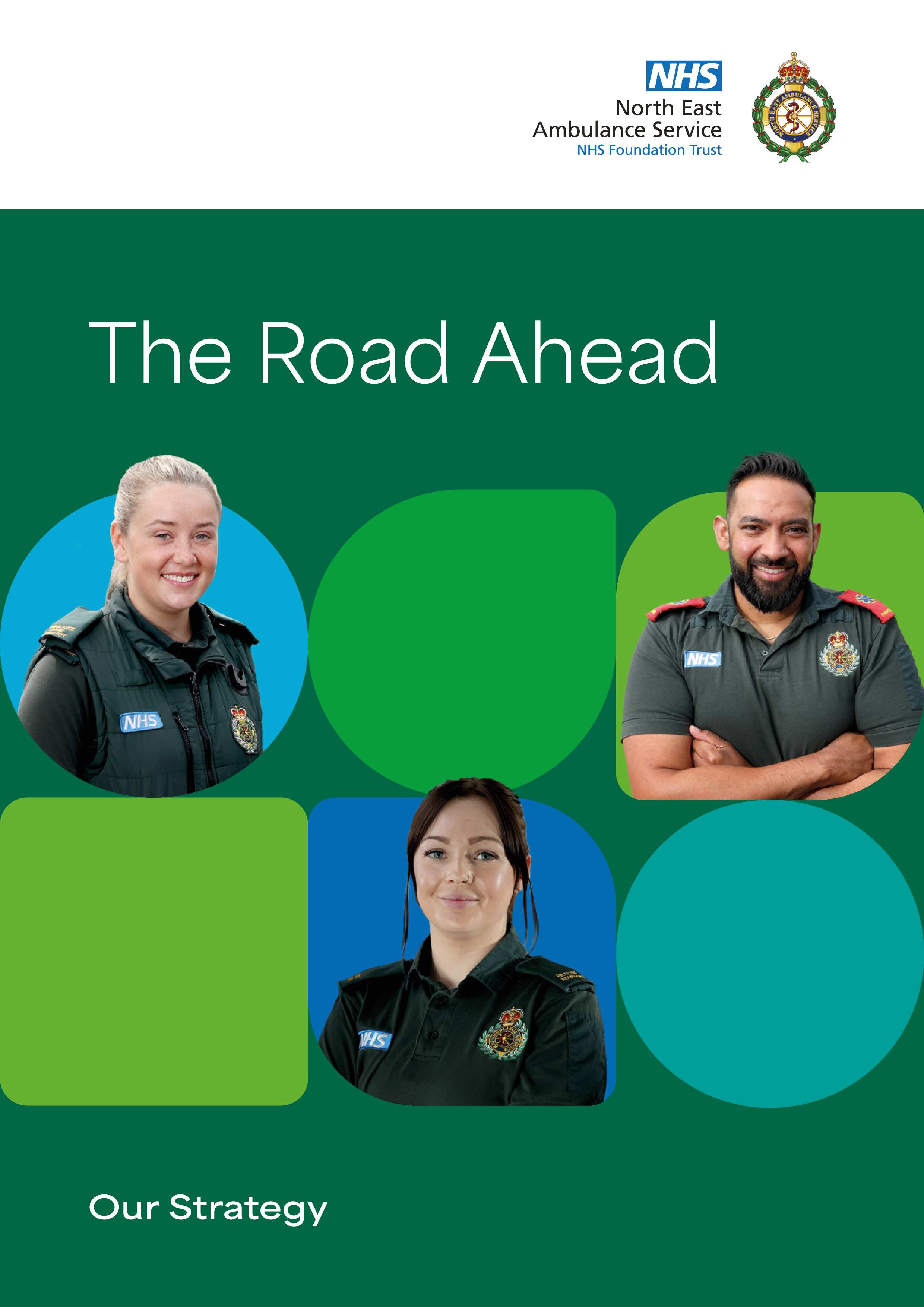 reshape urgent and emergency care for the 2.7 million people living across the region, ensuring services are designed around future patient needs and delivered closer to home wherever possible.
Developed through extensive engagement with colleagues, patients, carers, communities and partners, the strategy has also been informed by detailed clinical analysis, population health data, future demand forecasting and the development of a new Clinical Operating Model.
The work identified significant challenges facing the North East over the next decade, including an ageing population, increasing numbers of people living with long-term conditions, rising demand for mental health support and persistent health inequalities.
As the organisation responsible for handling all NHS 111 and 999 calls across the region, alongside providing ambulance response, patient transport, training and event medical support services, NEAS has used this evidence to shape a clear vision for how it will continue to serve the region between now and 2036.
The strategy sets out how the Trust will build on its success as one of the country's top-performing ambulance services while evolving to meet changing patient needs. Alongside continuing to provide rapid responses to life-threatening emergencies, NEAS will increasingly support people to receive the right care, in the right place, at the right time, reducing unnecessary hospital attendances and improving access to specialist advice and support closer to home.
As well as a renewed purpose, vision and values that will guide NEAS for the next decade, the strategy is built around four long-term priorities designed to focus effort where it matters most for patients, communities and staff:
NEAS will continue to provide rapid responses to life-threatening emergencies while expanding opportunities for patients to receive advice, treatment and support without necessarily needing to attend hospital.
The strategy recognises that many patients can receive safe, effective care in their own homes or communities when supported by the right clinical expertise. Building on a model which already sees tens of thousands of patients treated over the phone or in their own homes every year, the Trust will strengthen clinical decision-making, improve patient experience, tackle health inequalities and ensure care is tailored to individual needs.
Future developments will include increased access to multidisciplinary clinical teams, specialist mental health support, enhanced digital tools and stronger links with community, primary care and hospital services.
Recognising that many of the challenges facing healthcare cannot be solved by one organisation alone, NEAS will play an increasingly active leadership role across the wider health and care system.
The strategy commits to working closely with NHS organisations, local authorities, voluntary and community sector partners and local communities to improve care closer to home, develop new care pathways and ensure services are designed around patient need.
Central to this approach will be a more integrated model of urgent and emergency care, bringing together ambulance clinicians, GPs, nurses, pharmacists, mental health practitioners, hospital specialists and community services to provide more coordinated support for patients.
In order to look after patients, NEAS needs to look after its people.
Over the next decade, the Trust will invest in leadership development, wellbeing support, learning opportunities and career progression. The organisation will work to reduce avoidable pressure on staff, improve working environments and ensure colleagues feel listened to, valued and supported to deliver their best work every day.
The strategy commits to improving service reliability by strengthening infrastructure, systems and operational resilience across the Trust's network of 67 sites.
This includes making better use of clinical expertise from the first point of contact, improving digital capability, modernising equipment and technology, and designing services around the needs of frontline teams and patients.
 A new model for future care
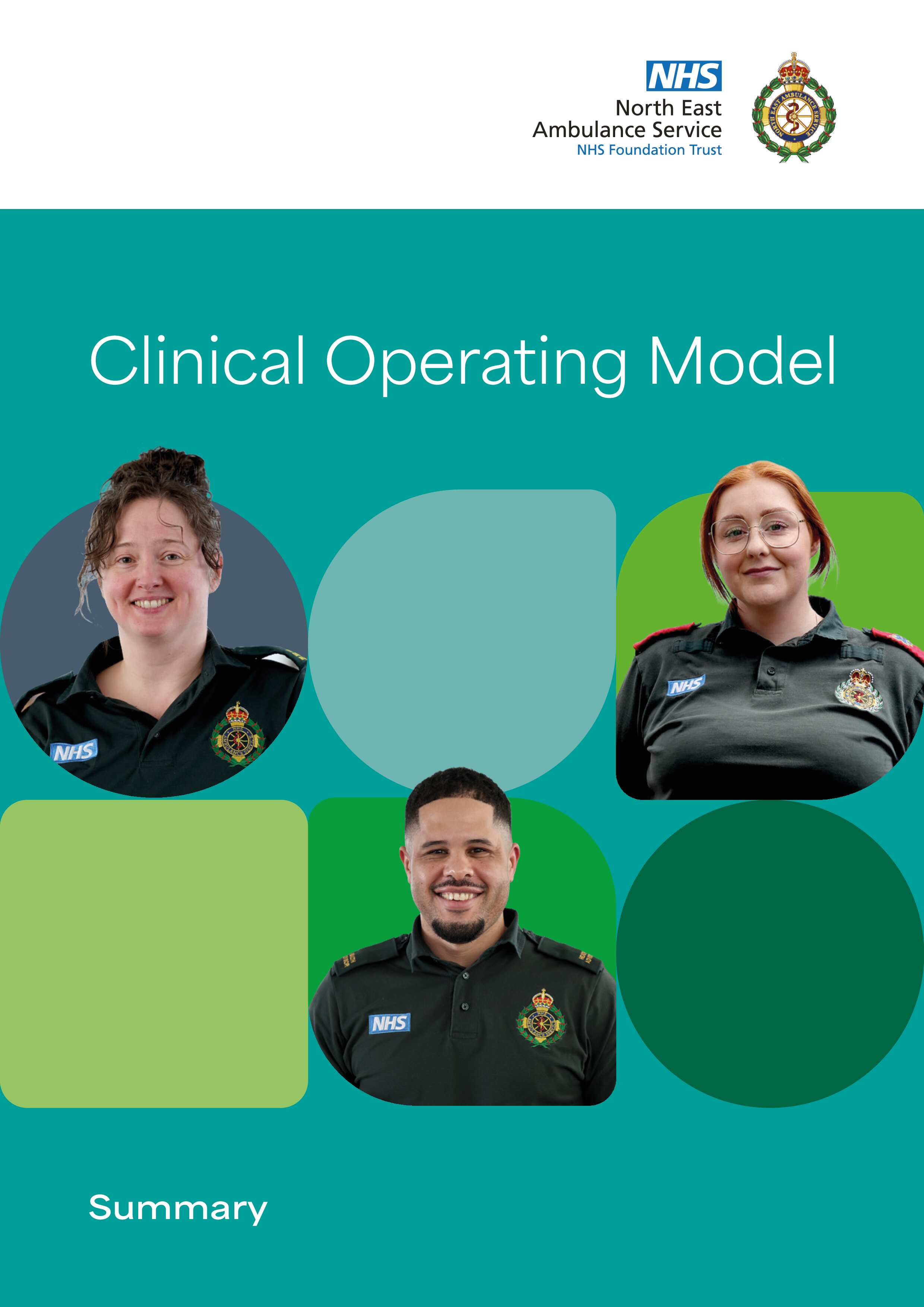
Alongside the strategy, NEAS has developed a new Clinical Operating Model which sets out how urgent and emergency care services will evolve over the coming years.
The model is designed to ensure patients have quicker access to the most appropriate clinical support by bringing together expertise from across health and care services. It will build on the Trust's existing capabilities to create a more integrated approach to urgent and emergency care, supported by enhanced clinical assessment, improved coordination and stronger partnership working.
By making better use of technology, shared information and specialist clinical advice, more patients will be able to receive support without needing an ambulance journey or hospital visit, while those experiencing the most serious illnesses and injuries continue to receive a rapid emergency response.
The work has also identified five clinical priorities expected to have the greatest impact on future demand and patient outcomes across the region: respiratory disease, cardiac conditions, stroke, gastrointestinal illness and mental health crisis care.
NEAS Chief Executive Kevin Scollay said:
"This strategy is about much more than the future of our organisation. It is about how we work with partners to meet the changing health needs of the people we serve.
"Through detailed analysis, engagement and demand forecasting, we understand that the future will bring new challenges, including rising demand linked to long-term conditions, mental health and an ageing population.
"Patients and communities told us they want excellent emergency care when they need it, but they also want easier access to the right support, better communication and more care delivered closer to home. That feedback has directly shaped both our strategy and our plans for the future.
"By investing in our people, embracing innovation and strengthening partnerships, we will create a service that remains there for every life-threatening emergency while helping more people access the most appropriate care, first time.
"This is a strategy for action that starts now and will guide how we improve care, support our people and work with partners to achieve better outcomes for communities across the North East."
The strategy builds on a strong period of operational performance. During 2025/26, NEAS answered more than 1.475 million NHS 111 and 999 calls, responded to more than 40,000 Category 1 life-threatening incidents and supported hundreds of thousands of patients through ambulance response, clinical assessment, treatment at home and hospital conveyance when required.
NEAS Chair Stuart Corbridge said:
"This work represents a shared ambition for the future of healthcare across our region. It has been shaped through meaningful engagement with colleagues, patients, partners and communities, which highlighted strong support for maintaining excellent emergency care while strengthening opportunities to provide care closer to home, improve patient experience and make better use of clinical expertise.
"People told us they want services that are more connected, easier to navigate and tailored to individual needs. The strategy responds directly to that feedback while ensuring we are prepared for the challenges and opportunities the future will bring.
"By investing in our people, strengthening partnerships and listening to the communities we serve, we are creating a sustainable foundation for the future of urgent and emergency care across the North East."
The strategy was informed by engagement with staff, patients, carers, communities and partner organisations, who consistently highlighted the importance of maintaining excellent emergency care while improving access to mental health support, reducing health inequalities, making better use of clinical expertise and delivering more care closer to home.
To explore the strategy and learn more about NEAS's vision for the future, visit: https://